Minimum Wage Hikes Lose Political Steam Despite Ballot Box History
Once a reliable progressive win at the polls, minimum wage increases are facing new resistance as economic sentiment shifts.
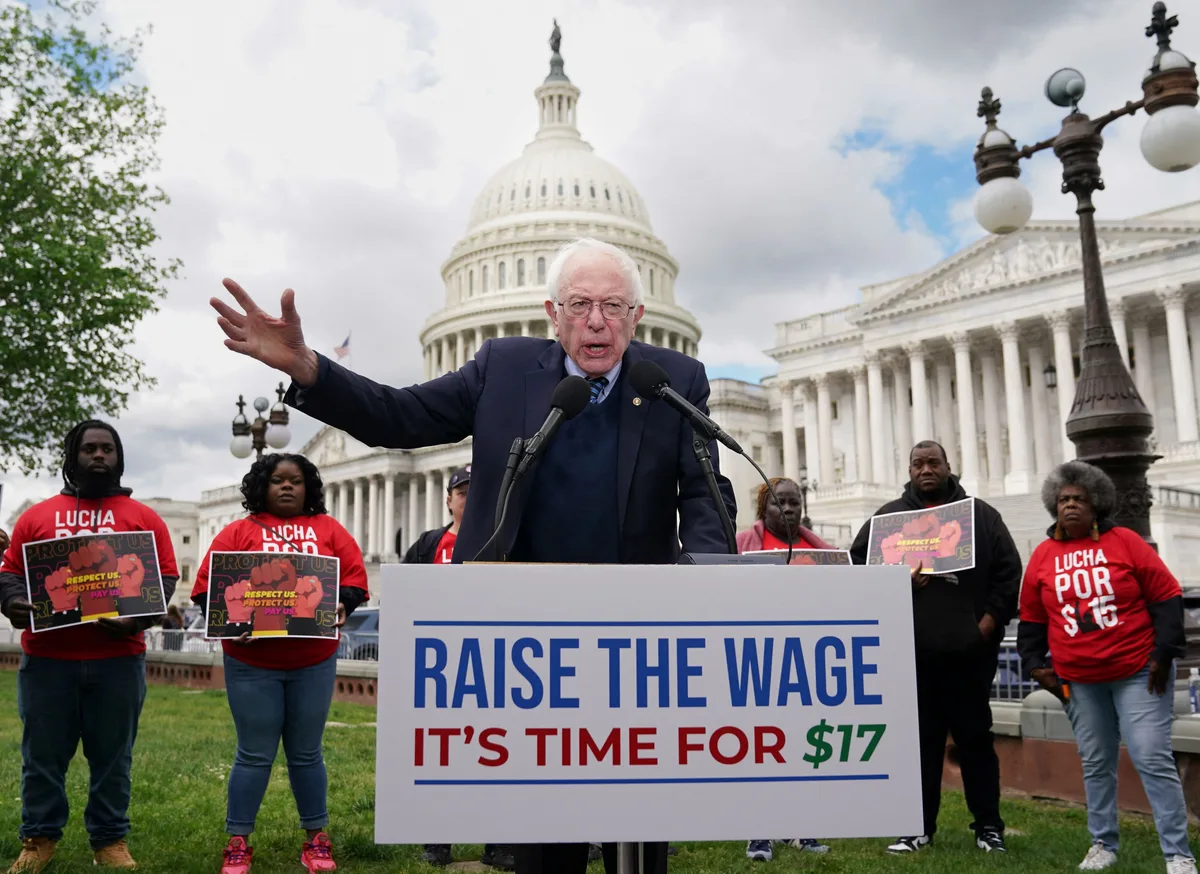
For much of the past decade, raising the minimum wage ranked among the most reliable tools in the progressive policy playbook. Ballot measures mandating higher floors on hourly pay won approval in states that otherwise trended conservative, suggesting the issue transcended conventional partisan lines. That cross-party appeal gave labor advocates confidence that direct democracy could deliver wage gains even where legislatures were reluctant to act.
Now that winning streak appears to be stalling. Recent ballot results point to a measurable cooling of public enthusiasm for minimum wage increases — a shift that analysts are connecting to a broader change in economic mood among voters. After years of elevated inflation that squeezed household budgets and rattled small business owners, the political calculus around mandated wage floors has grown more complicated. Voters who once viewed higher minimums as straightforward economic justice are now weighing potential trade-offs more carefully.
Read more US and Iran Agree on Roadmap Toward Final Nuclear Deal →
The resistance reflects a tension that economists have long debated: whether legislated wage increases help low-income workers or risk reducing employment opportunities, particularly in price-sensitive industries like food service and retail. During periods of low inflation and strong job growth, voters tended to side with the workers. In a tighter, more anxious economic environment, concerns about business costs and job stability appear to carry more weight at the ballot box.
What this moment reveals is how intimately connected economic policy preferences are to the ambient financial stress voters feel in their daily lives. Minimum wage campaigns that once ran on optimism — more money in workers' pockets, reduced inequality — may now need to reckon with an electorate that feels economically bruised and is less willing to absorb uncertainty, even in pursuit of broadly popular goals. Progressive strategists will likely need to recalibrate both their messaging and their timing as they assess where and when to bring these measures forward.
Continue reading at US Top News and Analysis