Micron Stock Slides as Memory Market Peak Fears Grow
Investors are questioning whether the memory chip cycle has topped out, rattling Micron shares amid cautious AI sentiment.
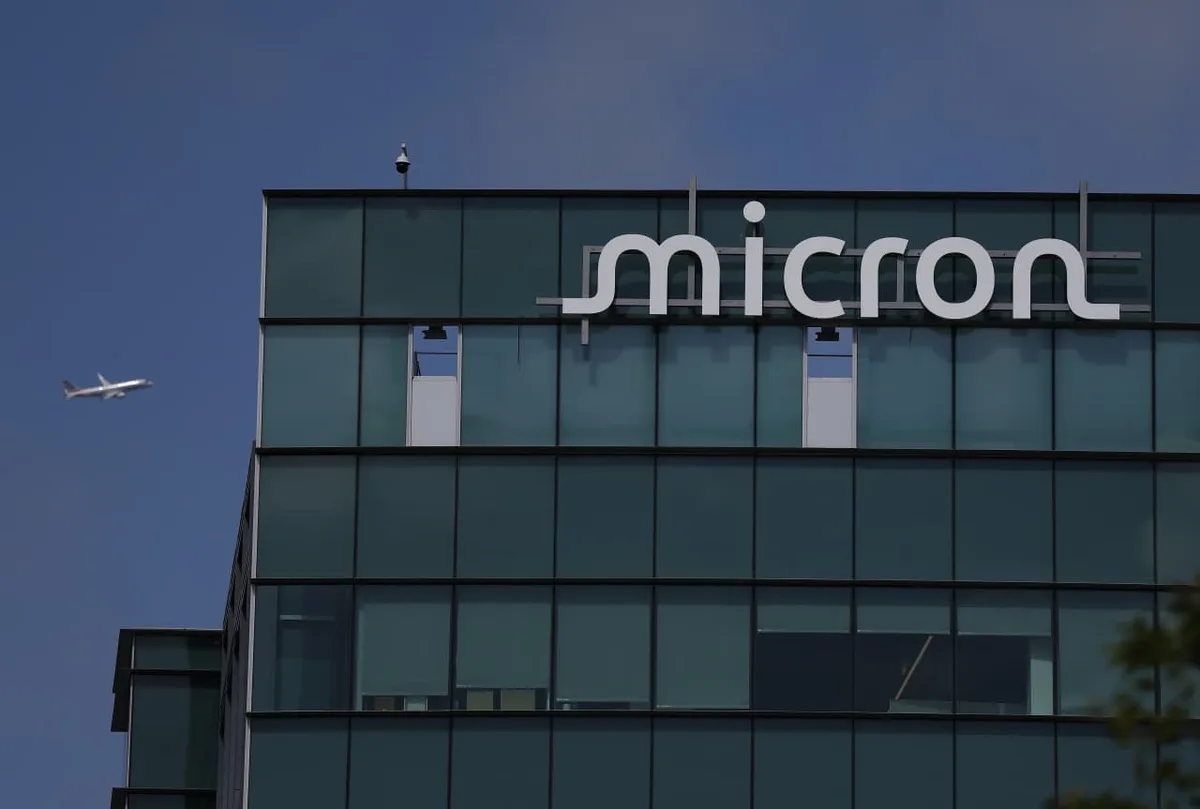
Micron Technology's stock came under pressure as Wall Street began asking a question that tends to unnerve semiconductor investors: has the memory market already hit its cyclical peak? The concern reflects a broader anxiety that has been quietly building beneath the surface of what has otherwise been an AI-fueled rally in chip stocks.
One analyst captured the mood succinctly, noting that "most investor feedback continues to point to a skittish AI tape" — a phrase that signals institutional money is growing hesitant rather than enthusiastically adding exposure. When the investors who drove a sector's ascent start hedging their enthusiasm, it often marks a turning point worth watching.
Read more Adobe Stock Jumps 5.6% But Trades Far Below Estimated Fair Value →
Memory chips are among the most cyclical components in the semiconductor industry, historically prone to dramatic boom-and-bust patterns driven by supply-demand imbalances. Micron, as one of the world's largest DRAM and NAND flash producers, sits directly in the crosshairs of that volatility. A perceived market top would imply that pricing power — a key driver of recent earnings strength — could soon erode.
The "skittish" sentiment around AI is particularly notable because the technology buildout has been the primary bull case for elevated memory demand. Data centers training and running large language models require substantial high-bandwidth memory, and that narrative has supported premium valuations across the sector. Any crack in conviction about the durability of AI infrastructure spending carries outsized implications for Micron specifically.
Whether this represents a genuine inflection point or simply a mid-cycle pause remains the central debate. Analysts and investors will be watching upcoming earnings guidance and data-center capital expenditure announcements closely for clarity. Continue reading at MarketWatch.com