Meta Unveils New Smart Glasses at $299 in Wearables Push
Meta launches updated smart glasses priced at $299 as Zuckerberg positions wearables as a core pillar of the company's long-term hardware strategy.
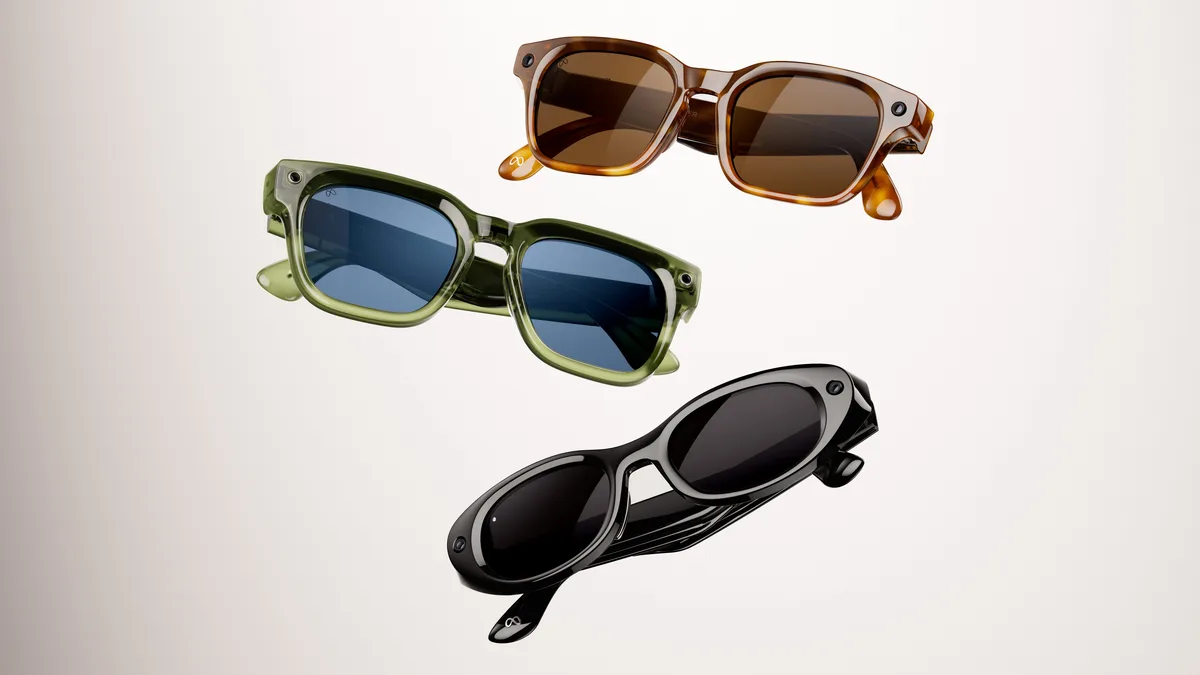
Meta is expanding its wearables lineup with a new pair of smart glasses starting at $299, underscoring Mark Zuckerberg's sustained commitment to building a consumer hardware ecosystem that extends well beyond social media. The announcement reflects Meta's deliberate, incremental approach to ambient computing — releasing accessible, lightweight devices today while engineering toward a far more ambitious destination tomorrow.
Company executives have been candid about the strategic logic: these glasses are not the final product. They represent a stepping stone toward a more technically complex device that would embed screens directly into the lenses — a capability that remains one of the hardest engineering challenges in consumer electronics. By establishing a user base and iterating on form factor now, Meta is effectively running a long-horizon experiment in wearable adoption.
Read more What Wearable Tech Firms Can Learn From Fitbit's Rise and Fall →
The $299 price point is a deliberate market signal. It positions the glasses as an attainable consumer gadget rather than a niche enthusiast device, giving Meta the volume and feedback loop it needs to refine both hardware and software ahead of a generation of devices with true augmented reality capabilities. For context, competitors chasing similar ambitions have historically struggled to balance cost, weight, and functionality in a single package.
Zuckerberg has spoken repeatedly about his belief that glasses will eventually replace the smartphone as the primary computing interface for daily life — a vision that requires years of groundwork in industrial design, optics, and developer ecosystems. Each successive smart glasses release is as much about building organizational muscle as it is about selling units. The real test will be whether consumers find enough utility in today's version to remain loyal when the leap to lens-based displays finally arrives.
Continue reading at US Top News and Analysis.