Kalshi CEO Eyes IPO but Rules Out a Public Debut in 2025
Kalshi's chief executive says an IPO is on the horizon for the prediction market platform, though not within the current year.
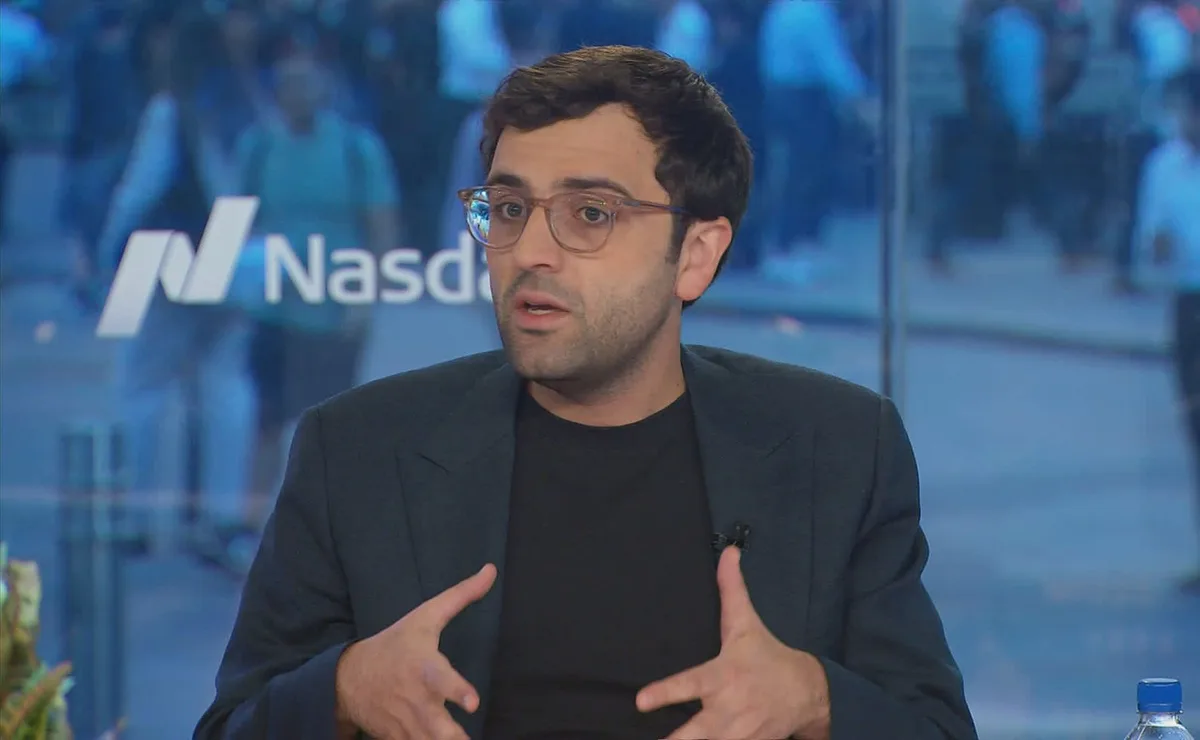
Kalshi, the regulated prediction market platform that has drawn significant attention for letting users bet on real-world event outcomes, is thinking seriously about going public — just not yet. CEO Tarek Mansour told CNBC's "Squawk Box" that exploring an initial public offering makes strategic sense for a company at Kalshi's current stage of development, even as he made clear that a 2025 listing is not in the cards.
Mansour's comments reflect a broader pattern among high-growth fintech firms that have matured enough to contemplate public market accountability but prefer to avoid the scrutiny of an IPO during a period of market volatility or regulatory uncertainty. For Kalshi specifically, the timing carries additional weight: the company has spent years fighting for and winning the regulatory legitimacy to operate prediction markets in the United States, and a premature IPO could expose that hard-won positioning to unnecessary pressure.
Read more Microsoft, Visa, and Apple Stand Out as Long-Term Holds in Mid-2026 →
Prediction markets occupy an increasingly prominent place in the financial and political conversation. Kalshi emerged from relative obscurity into mainstream awareness during the 2024 election cycle, when its real-money forecasts on electoral outcomes attracted widespread media coverage and challenged the dominance of offshore platforms. Going public would give the company a currency for growth and a public profile to match its cultural moment — but it also demands a level of earnings transparency and governance that startups typically take time to build.
By signaling IPO ambitions while deferring action, Mansour is executing a familiar playbook: managing investor expectations, building narrative momentum, and preserving optionality. Whether Kalshi pulls the trigger in 2026 or later will likely depend on regulatory developments in the prediction market space, overall IPO market conditions, and the company's ability to demonstrate sustainable revenue growth to prospective public investors.
Continue reading at US Top News and Analysis.



