Jim Cramer Sees Market Rotation as a Buying Opportunity
CNBC's Jim Cramer says the latest market rotation isn't a warning sign — it's a chance to scoop up top performers at better prices.
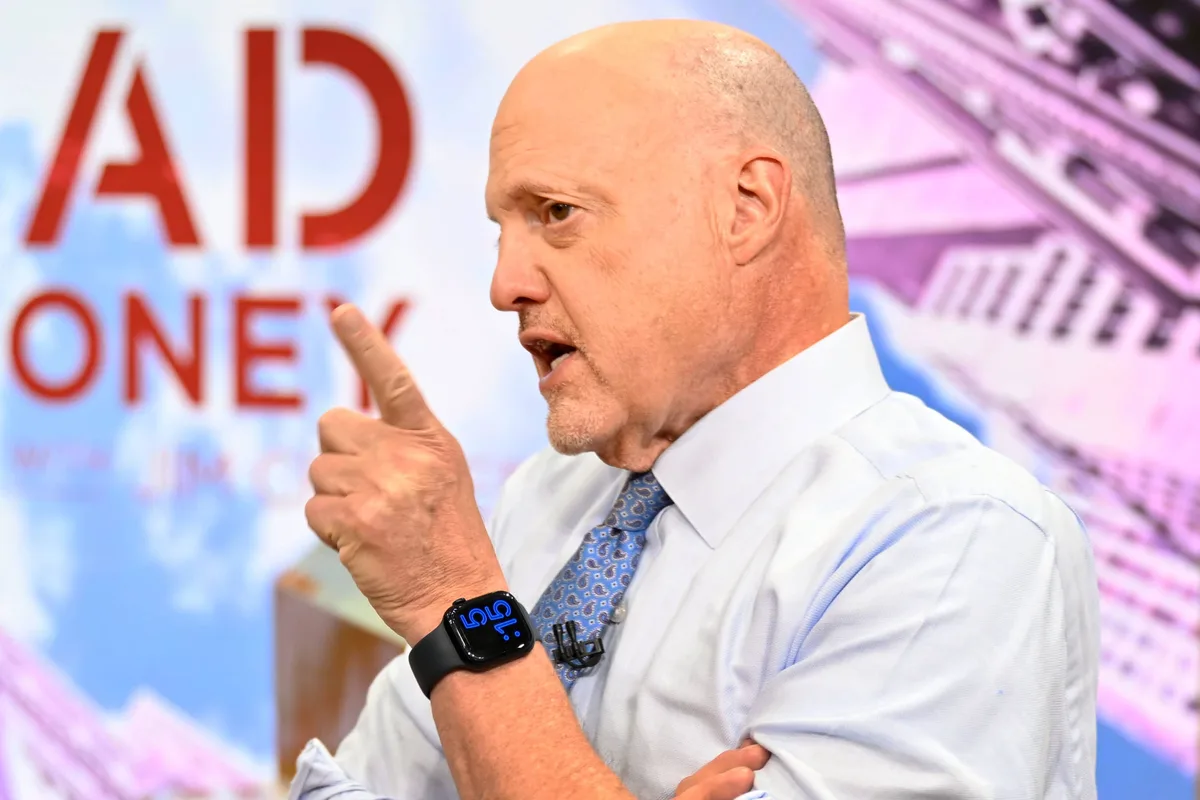
Market rotations — those periodic shifts when investors sell one sector to fund positions in another — can feel unsettling, but CNBC's Jim Cramer argues Wednesday's rotation deserves a different interpretation: an invitation to buy. According to Cramer, the reshuffling of capital across the market creates temporary dislocations in price that savvy investors can exploit to enter positions in high-performing stocks they may have previously found too expensive or simply missed.
Cramer's framing reflects a broader principle in active investing: volatility and rotation are not inherently negative events. When institutional investors rotate out of momentum leaders to capture gains or rebalance portfolios, those leading stocks can pull back modestly, offering retail investors a lower-cost entry point into names with proven track records. The key, in Cramer's view, is distinguishing between a structural breakdown in a stock's fundamentals and a technically driven selloff caused by portfolio repositioning.
Read more Analyst Jay Woods Names Two Mag 7 Stocks to Watch Through 2027 →
The analytical case for acting during rotations is straightforward. If a company's earnings trajectory, competitive position, and sector tailwinds remain intact, a price dip driven by macro-level capital flows rather than company-specific news represents an opportunity rather than a red flag. Cramer's advice implicitly cautions against the common behavioral mistake of waiting for perfect conditions that rarely arrive — by the time a rotation fully resolves, the discount window has often closed.
For investors who have watched certain market leaders climb throughout the year without finding an entry point, rotation episodes can function as a second chance. The discipline required is knowing which stocks to target ahead of time, so that when prices soften, conviction — rather than hesitation — drives the decision. Cramer's broader message is that preparation separates investors who capitalize on volatility from those who are simply rattled by it.
Continue reading at US Top News and Analysis.