Jim Cramer: AI Market Froth Fears Don't Match Dot-Com Era
CNBC's Jim Cramer argues today's AI-driven market rally is fundamentally different from the dot-com bubble, calling overheated fears overblown.
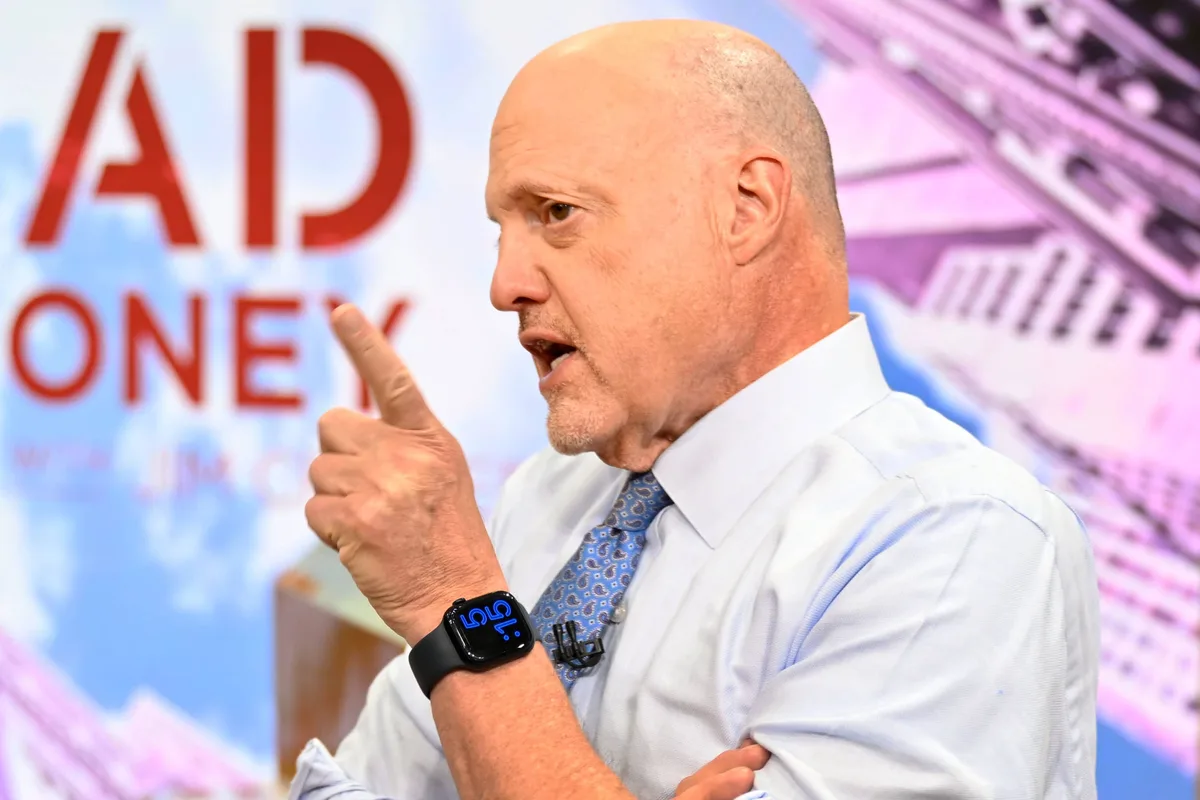
As artificial intelligence continues to drive outsized gains across major technology stocks, a familiar anxiety has settled over Wall Street: are we living through another dot-com bubble? CNBC's Jim Cramer doesn't think so, and he's pushing back on what he sees as an overwrought comparison that misreads the current market environment.
Cramer's core argument is that today's AI-fueled enthusiasm differs in meaningful ways from the speculative frenzy of the late 1990s. The dot-com era was defined largely by companies with no earnings, no revenue, and business models built on little more than a web address and venture capital optimism. The suggestion, implicit in Cramer's framing, is that today's AI leaders are built on more tangible financial foundations — a point that carries real weight when examining the balance sheets of firms driving the current rally.
Read more Adobe Stock Jumps 5.6% But Trades Far Below Estimated Fair Value →
The distinction matters for everyday investors trying to calibrate their risk. During the dot-com collapse, trillions of dollars in market value evaporated as valuations untethered from fundamentals snapped violently back to reality. If Cramer's read is correct — that current AI enthusiasm is grounded in real earnings power and genuine technological transformation — the calculus for long-term investors looks considerably less treacherous than the historical parallel implies.
That said, measured skepticism remains warranted. Market commentators, even experienced ones, have historically struggled to identify bubble conditions in real time. Cramer's optimism may prove prescient, or it may reflect the same confidence that characterized bullish voices in 1999. The difference between a durable technology cycle and a speculative mania often only becomes legible in hindsight, making independent due diligence essential for any investor navigating this moment.
Continue reading at US Top News and Analysis.