J.B. Hunt Bets on Intermodal Shift as Trucking Costs Climb
Rising truckload rates and a tight driver market are pushing shippers toward intermodal, and J.B. Hunt looks positioned to capitalize.
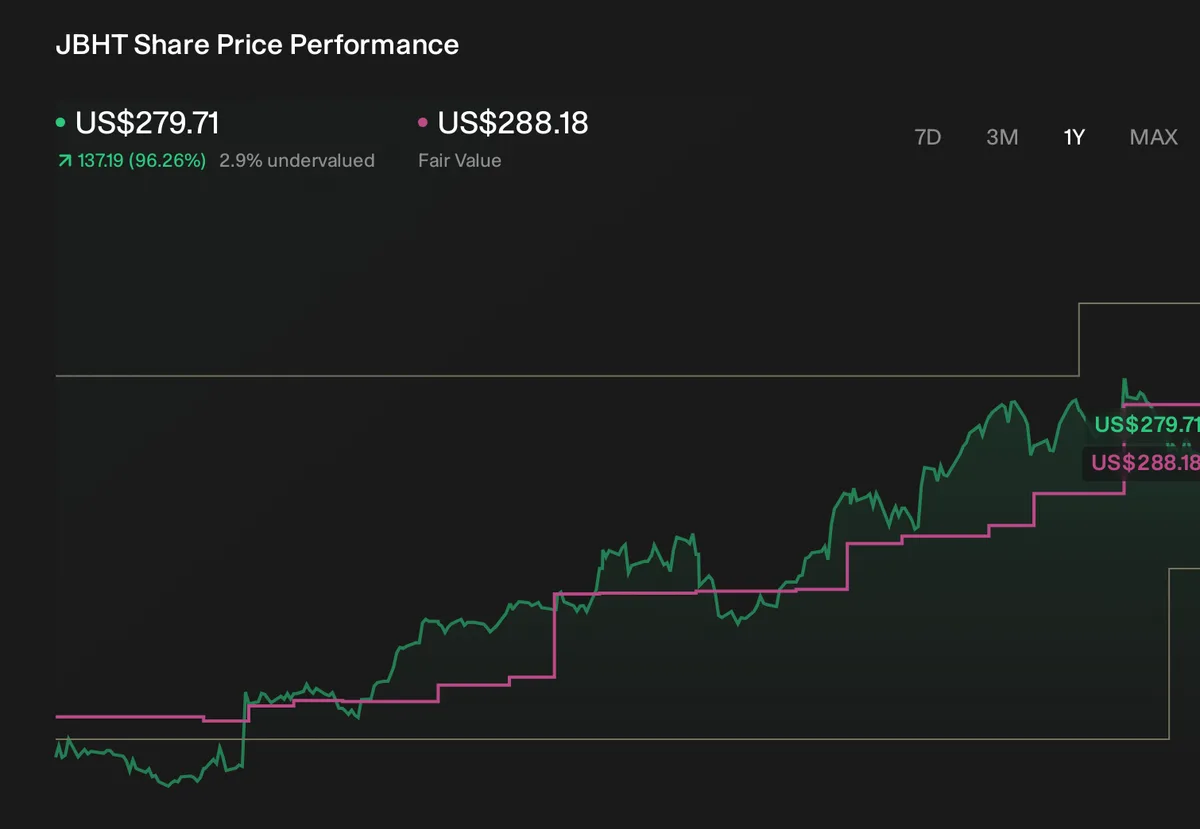
A confluence of pressures reshaping the trucking industry — higher fuel costs, elevated truckload rates, and a persistently tight driver market — is quietly benefiting J.B. Hunt Transport Services in ways that go beyond a single earnings cycle. As shippers search for cost relief, intermodal freight, which moves goods by a combination of rail and truck, becomes a more attractive alternative. J.B. Hunt, the dominant player in that space, stands to capture an outsized share of that conversion.
The company has already reported gains in both revenue and net income, a notable achievement given that labor costs are rising across the transportation sector. Analysts tracking the stock project significant growth in both revenue and earnings stretching out to 2029, suggesting the market believes the intermodal tailwind is structural rather than cyclical. That long runway matters: intermodal conversions tend to be sticky once shippers integrate rail schedules into their supply chains.
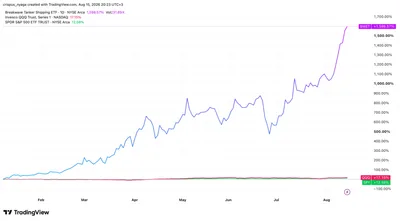
Read more BWET ETF Surges 1,600% in 2026 Amid US-Iran Conflict →
Yet the investment narrative carries real risks that deserve scrutiny. Capacity tightening across the rail network can erode the reliability advantage that makes intermodal appealing in the first place. Rising compliance costs — whether from emissions regulations or hours-of-service rules — could compress margins even as top-line growth accelerates. The balance between those headwinds and the conversion opportunity will likely define J.B. Hunt's competitive positioning over the next several years.
What makes J.B. Hunt's situation analytically interesting is that it sits at the intersection of two long-running trends: the secular driver shortage, which makes pure truckload shipping increasingly expensive, and the infrastructure investment cycle, which could expand rail capacity over time. How management navigates labor pressures while locking in new intermodal customers will be the central question for investors watching the company's evolving business mix.
Continue reading at Sahm