IRS Identity Theft Victims Wait Nearly Two Years for Resolution
A National Taxpayer Advocate report finds identity theft victims face nearly two-year IRS delays, raising urgent concerns about taxpayer harm.
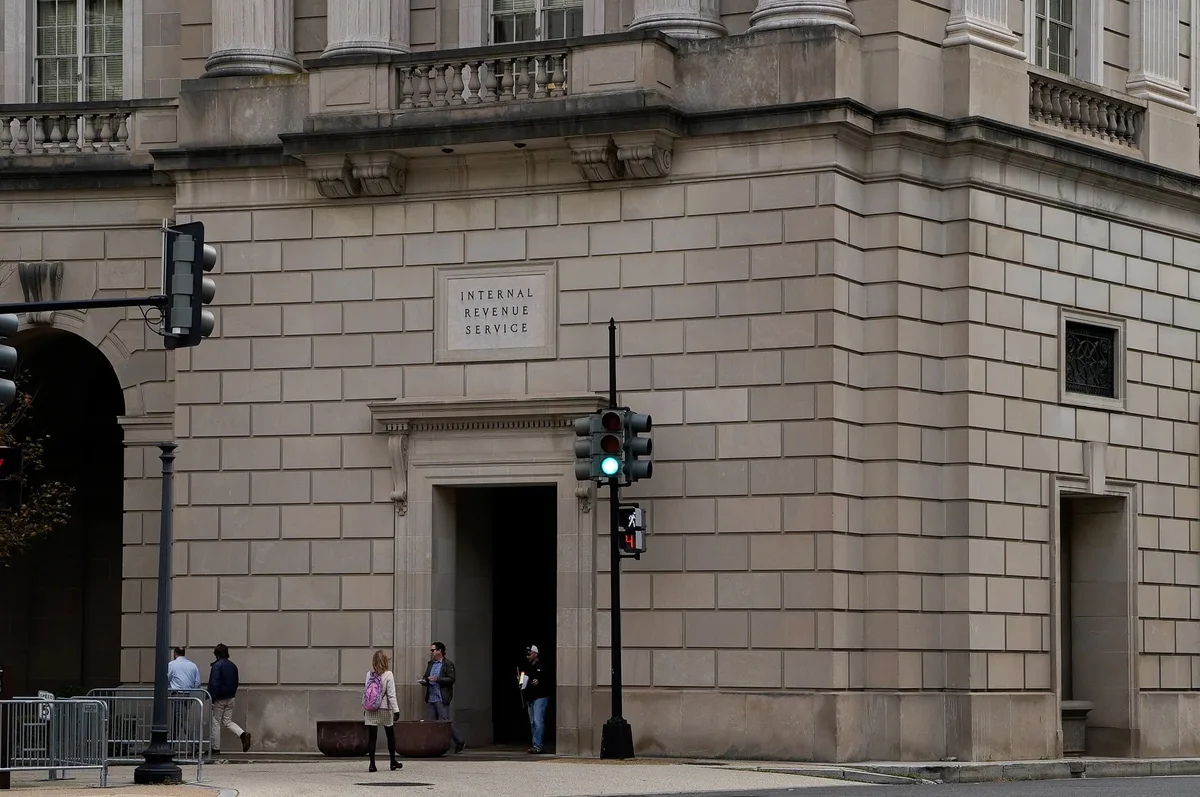
Identity theft victims seeking relief from the IRS are confronting wait times approaching two years before their cases are resolved, according to a report from the National Taxpayer Advocate. The watchdog office, which operates independently within the IRS and serves as a formal voice for taxpayer concerns, characterized the delays as "unconscionable" — a word that signals not merely bureaucratic frustration but a systemic failure with real financial consequences for ordinary Americans.
For victims of tax-related identity theft, the ordeal typically begins when a fraudulent return is filed using their Social Security number to claim a refund. The legitimate taxpayer is then left in limbo: unable to receive their own refund and entangled in a slow-moving resolution process that, according to the Advocate's findings, now stretches close to 24 months. That timeline represents a significant burden, particularly for lower-income filers who depend on refunds to cover essential expenses.
Read more Hospitals Soliciting Donations From Recent Patients Raises Ethics Questions →
The report lands at a sensitive moment for the agency. The IRS has faced sustained political and budgetary pressure in recent years, with debates over its funding levels and staffing capacity playing out in Congress. While the agency has made public commitments to modernize operations, the Taxpayer Advocate's findings suggest that progress has not meaningfully reached one of the most vulnerable categories of taxpayers. Identity theft case resolution requires intensive manual review, making it especially susceptible to workforce and resource constraints.
The practical implication for affected taxpayers is stark: nearly two years without access to legitimate refunds, often with limited recourse beyond waiting. The Advocate's office can intervene in cases of significant hardship, but capacity there is also limited. Policymakers and IRS leadership will need to confront whether current staffing models and case-processing pipelines are structurally equipped to protect victims at the scale the problem demands.
Continue reading at US Top News and Analysis.