IRS Eases Penalty Rules for Taxpayers Who Made Filing Errors
The IRS has relaxed its penalty framework for certain tax mistakes, offering relief that one agency advocate is calling a major taxpayer win.
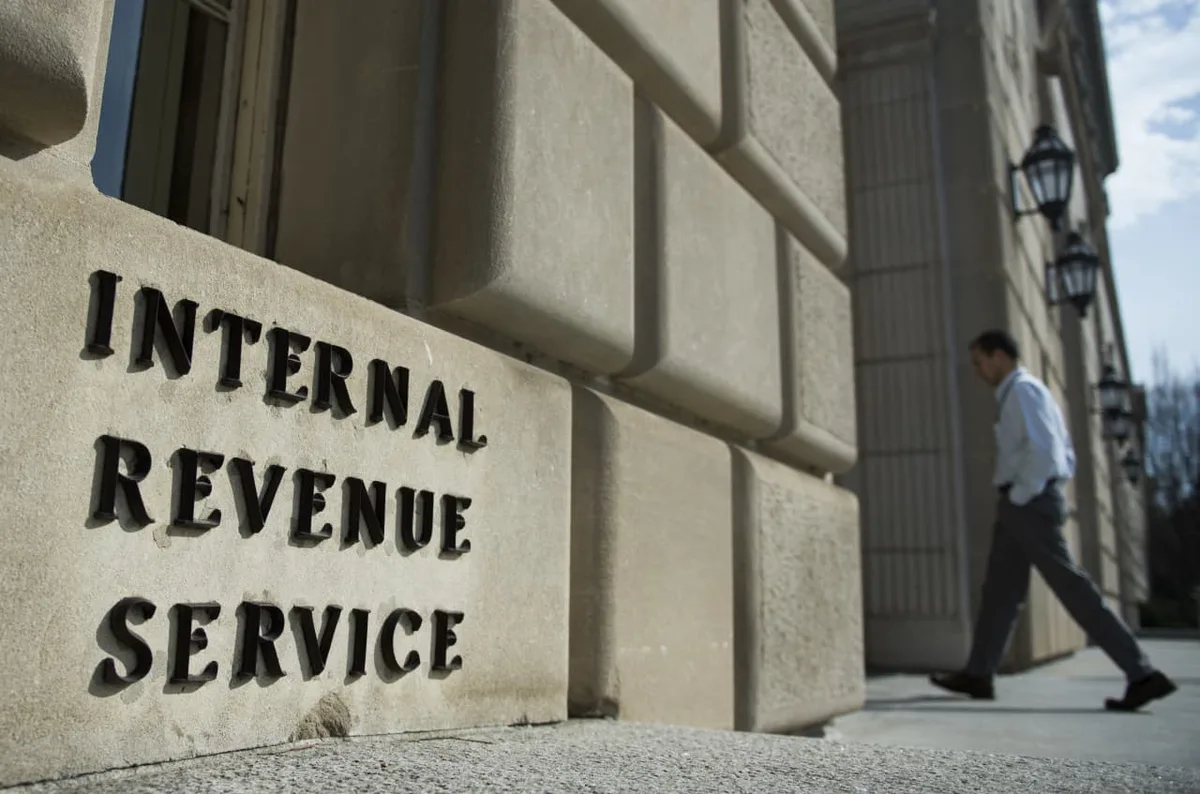
The Internal Revenue Service has quietly updated its approach to underpayment and filing penalties, making it meaningfully easier for taxpayers who made honest mistakes to avoid costly surcharges. The shift, described by at least one IRS advocate as a 'major taxpayer win,' signals a broader recognition inside the agency that the penalty system had become a source of frustration and financial hardship for ordinary filers rather than a targeted deterrent against willful noncompliance.
Penalties for underpayment or late filing have long been a significant concern for Americans navigating an increasingly complex tax code. Even well-intentioned errors — miscalculating estimated quarterly payments, misreading a deduction rule, or underreporting a side income stream — could trigger automatic penalties that compound over time, sometimes totaling hundreds or even thousands of dollars before a taxpayer had a chance to correct the record. The IRS's revised posture appears aimed at distinguishing between negligence and genuine confusion in a system that even tax professionals find opaque.
Read more Fed Expected to Hold Rates Steady: What It Means for You →
The practical implication for everyday filers is meaningful. If you filed a return that contained an error — whether an arithmetic mistake, an overlooked form, or an underestimated tax liability — you may now have a clearer path to resolving the situation without absorbing an automatic financial hit on top of any back taxes owed. Tax professionals and consumer advocates have for years pushed the agency to adopt a more graduated and forgiving response to first-time or low-severity mistakes, and this change appears to reflect that pressure.
The move also fits within a longer arc of IRS reform efforts that have accelerated following increased congressional scrutiny of the agency's taxpayer service record. Funded in part by the Inflation Reduction Act's investment in IRS modernization, the agency has been under pressure to demonstrate that new resources translate into better outcomes for filers, not just more aggressive enforcement. A penalty relief expansion serves both goals — reducing administrative burden on the IRS while generating goodwill with taxpayers who feel the system is stacked against them.
For anyone who suspects they may have underpaid or filed incorrectly in a recent tax year, the updated rules represent a timely opportunity to revisit their situation, potentially amend a return, and engage with the IRS from a less adversarial starting point than the old penalty structure allowed. Continue reading at MarketWatch.com