Iraq Pushes OPEC for Higher Output Quota Amid UAE Exit
Iraq is pressing OPEC for a larger production quota while choosing to stay in the group, following the UAE's departure.
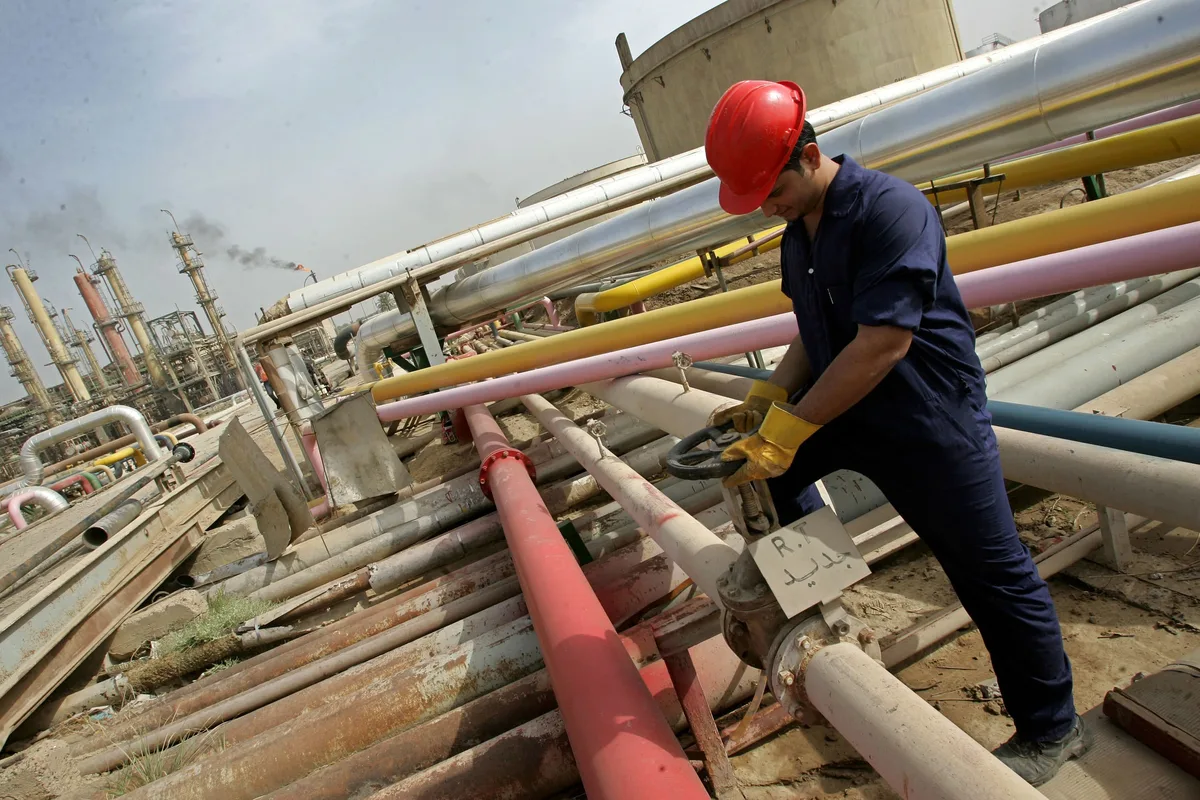
Iraq is escalating its demands within OPEC, seeking a higher crude oil production quota even as the cartel navigates the politically charged fallout from the United Arab Emirates' exit from the organization. Rather than following the UAE out the door, Baghdad has opted for a more confrontational internal strategy — staying at the table while loudly pushing for a greater share of output allowances.
The move reflects a broader tension that has long simmered inside OPEC: member states with significant proven reserves and growing production capacity frequently chafe against quota ceilings that they argue do not reflect their actual output potential. Iraq, one of the largest producers in the group, has historically been a source of quota compliance friction, often pumping above agreed limits.
Read more Markets Split as Micron Surges and Inflation Data Pressures Stocks →
By choosing to remain inside OPEC rather than exit, Iraq is signaling that it believes it can extract more favorable terms through negotiation than through departure. That calculus may also reflect the geopolitical and economic risks of operating entirely outside the cartel's framework, particularly as global oil markets remain sensitive to supply signals from major Gulf producers.
The situation puts OPEC leadership in a delicate position. Granting Iraq's demands could set a precedent that emboldens other members to seek similar revisions, potentially unraveling the quota discipline that gives the organization much of its market influence. Denying them risks further defections or non-compliance that could undermine coordinated output strategies.
How OPEC responds to Iraq's pressure campaign will be a telling indicator of the cartel's internal cohesion at a moment when its authority is already being tested. Continue reading at US Top News and Analysis.