Iran Signals Hormuz Leverage With Proposed 'Insurance Fees'
Tehran is asserting greater control over the Strait of Hormuz, floating the idea of insurance fees on shipping — a move with major global energy implications.
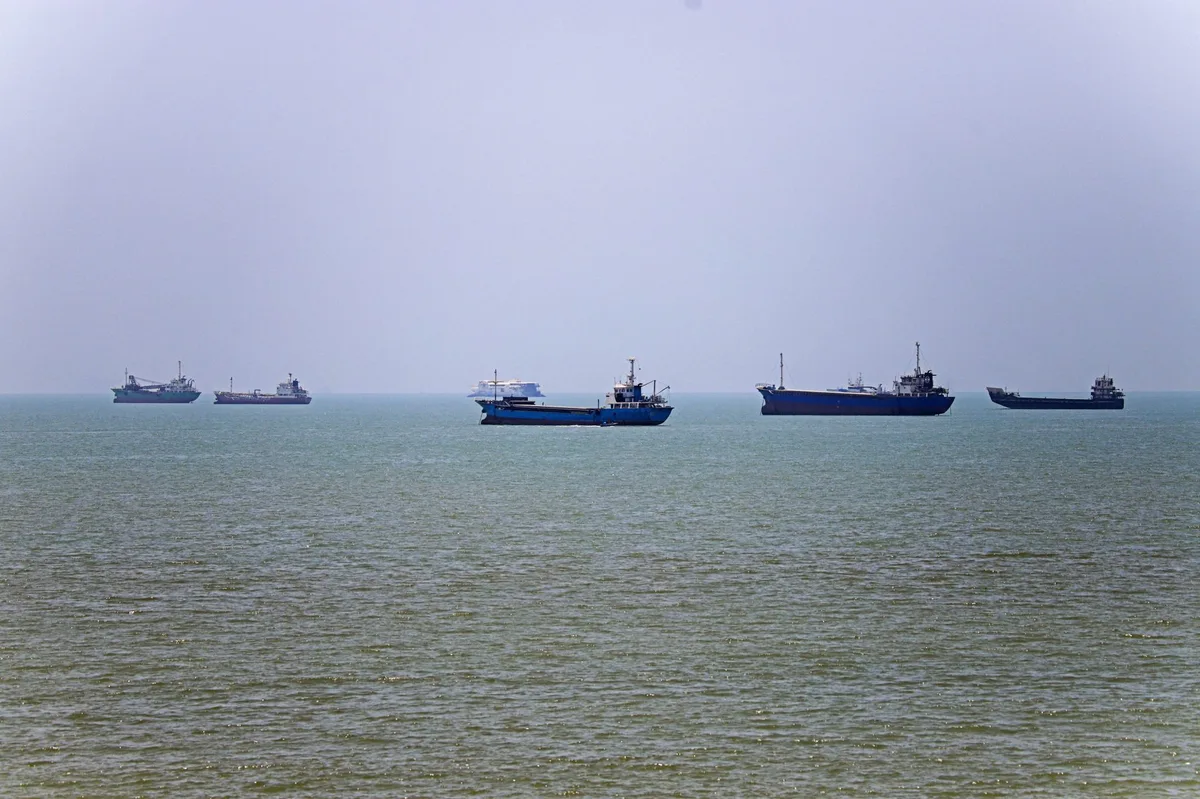
Iran is raising the stakes in the Persian Gulf, floating the concept of mandatory "insurance fees" for vessels transiting the Strait of Hormuz — one of the world's most strategically critical chokepoints. The proposal, reported by Fortune, signals Tehran's intent to formalize economic leverage over a waterway through which a substantial share of global oil exports flow. Whether framed as a regulatory measure or a geopolitical pressure tool, the move would mark a significant escalation in Iran's posture toward international shipping.
The Strait of Hormuz has long served as a pressure valve in Middle Eastern geopolitics. Iran has periodically threatened to close or restrict access to the waterway during periods of heightened tension with the United States and its Gulf allies, but the introduction of a fee-based regime would represent a structural shift — transforming a threat into an institutionalized mechanism of control. For global energy markets, even the credible prospect of such tolls could introduce a persistent risk premium into oil pricing.
Read more Meadowbrook Advisors Builds New Position in Coca-Cola Stock →
The timing is notable. With nuclear negotiations between Tehran and Washington remaining unresolved and regional tensions elevated, Iran's assertion of Hormuz authority fits a broader pattern of leveraging its geographic position to extract diplomatic and economic concessions. Insurance markets and shipping firms, which already price in Gulf risk, would likely face immediate pressure to reassess exposure if Iran moves beyond rhetoric toward enforcement.
What remains unclear is how the international community — particularly the United States Navy, which maintains a significant presence in the Gulf — would respond to any attempt to operationalize these fees. A unilateral Iranian toll regime would almost certainly face legal challenges under international maritime law and could provoke a direct confrontation with allied naval forces. For now, the proposal appears to be as much a signal as a policy, but markets and diplomats would be unwise to dismiss it as mere posturing.
Continue reading at fortune (alex longley).