Iran Ship Attack Strains Shipping Insurance After Premium Lull
War-risk premiums had recently fallen sharply before Iran's latest vessel attack, putting underwriters back on alert.
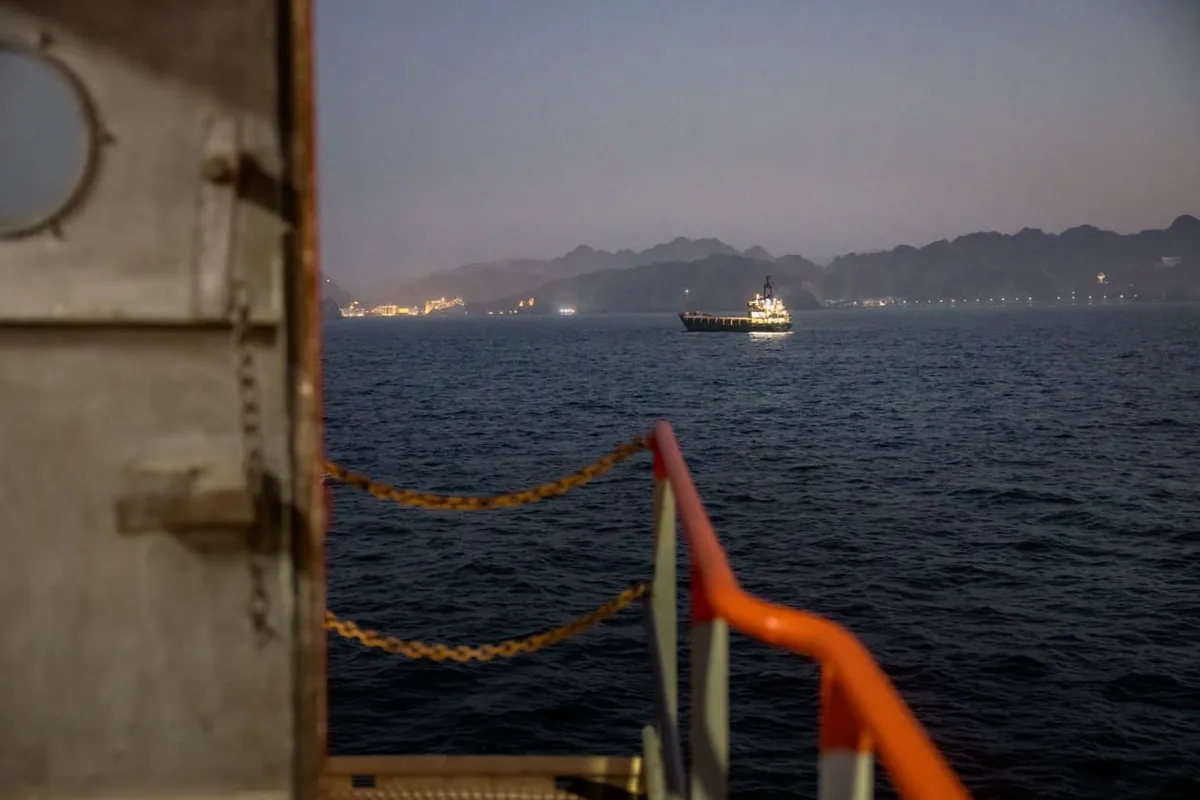
The timing could hardly be more awkward for the marine insurance market. War-risk premiums on shipping through some of the world's most contested waterways had narrowed considerably in recent days — a sign that underwriters were growing more comfortable with geopolitical risk — when Iran's attack on a vessel abruptly reminded the industry why that comfort can be fleeting.
War-risk insurance is the specialized, often volatile layer of coverage that shipowners purchase on top of standard marine policies whenever their vessels transit conflict-prone regions. Premiums in this segment move quickly in response to incidents, and the directional shift can be dramatic: a single high-profile attack can reverse weeks of gradual easing in a matter of hours as underwriters reprice exposure and, in some cases, withdraw capacity altogether.
Read more GPIQ's 10% Yield Looks Attractive, But Hidden Costs Matter →
The broader significance extends well beyond insurers' balance sheets. When war-risk premiums spike, shipping companies face a stark choice — absorb the added cost, reroute vessels onto longer and more expensive paths, or pass the burden to cargo owners and, ultimately, consumers. At a moment when global supply chains are still recalibrating from years of disruption, any renewed pressure on freight economics deserves close attention from businesses and policymakers alike.
The episode also illustrates a structural tension baked into specialty insurance markets: the competitive pressure to reduce premiums during quiet periods conflicts directly with the fat-tail risk of sudden escalation. Underwriters who cut rates aggressively to win business can find themselves dangerously underpriced the moment geopolitical conditions deteriorate — a cycle the shipping market has now experienced repeatedly in recent years.
Whether this latest incident triggers a sustained repricing or proves to be a temporary shock will depend heavily on how the geopolitical situation evolves in the coming days. Continue reading at MarketWatch.com