Iran Claims Oil Premium as Post-Ceasefire Exports Surge
Tehran says it is commanding a 20% price premium on crude as 40 million barrels flow following the end of the U.S. blockade.
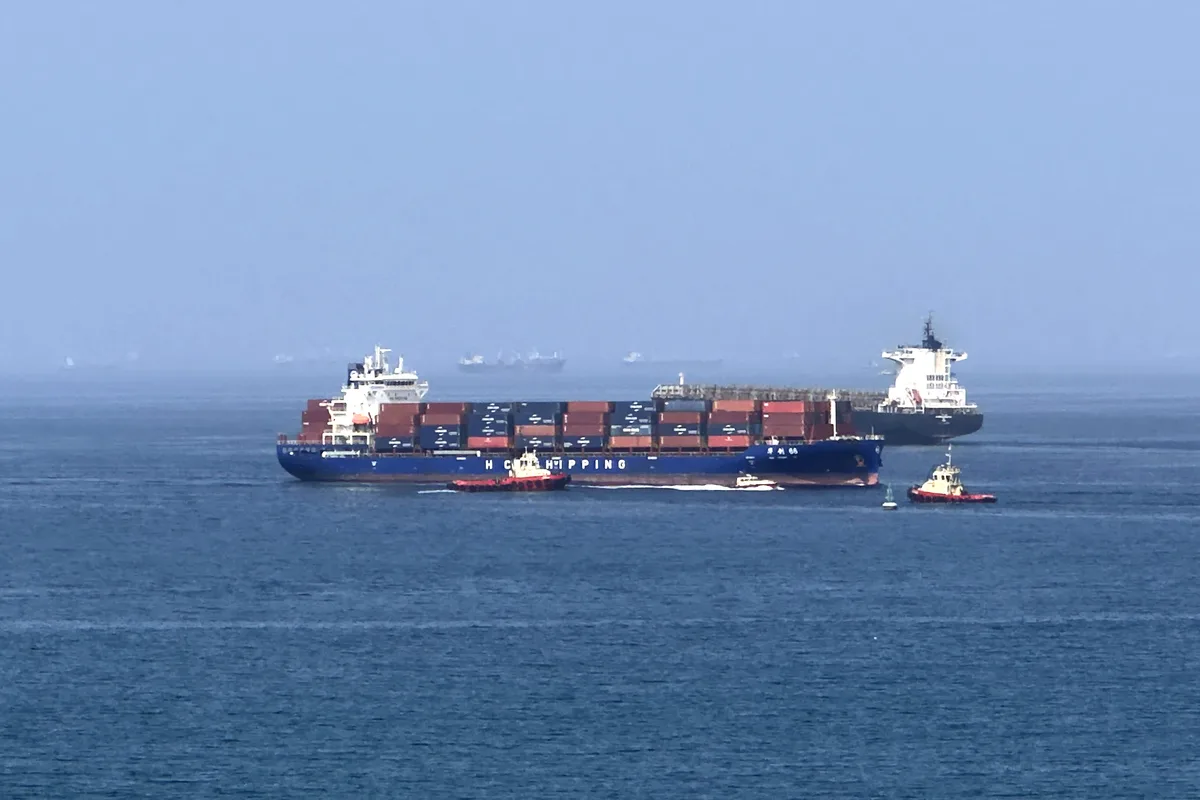
Iran is capitalizing on the lifting of a U.S. blockade by reporting that it is selling its crude oil at a 20% premium, a striking claim that signals how quickly global energy markets can rebalance when geopolitical pressure eases. Iranian officials say approximately 40 million barrels have already been exported since the ceasefire took hold, a volume that underscores just how much supply had been bottled up during the conflict.
The Strait of Hormuz, one of the world's most strategically critical chokepoints for energy transit, saw shipping traffic largely frozen during the fighting. The ceasefire prompted an immediate and significant surge in crude shipments moving through the strait, signaling to traders and importers that Iranian supply was once again accessible after a prolonged disruption.
Read more Google's AI Demand Is Outpacing Its Own Capacity to Deliver →
The premium pricing claim is analytically significant. When a sanctioned or blockaded producer returns to market, the conventional expectation is that it must offer discounts to attract buyers who absorbed the risk of alternative sourcing. Iran's assertion of a 20% premium, if accurate, would suggest either unusually strong demand from specific regional buyers or a calculated negotiating posture designed to maximize early revenue from the reopening window.
Energy markets are acutely sensitive to Hormuz dynamics, given that roughly 20% of global oil trade passes through the strait under normal conditions. Any extended closure — whether through military action, blockade, or threat — sends immediate ripple effects through Brent and WTI benchmarks. The speed of Iran's export recovery following the ceasefire illustrates both the pent-up supply pressure and the market's readiness to absorb additional barrels when political risk recedes.
Continue reading at US Top News and Analysis.