Intel's CEO Delivers a Sobering Reality Check to Investors
Intel's chief executive is tempering Wall Street expectations, signaling the chipmaker's turnaround will be neither quick nor painless.
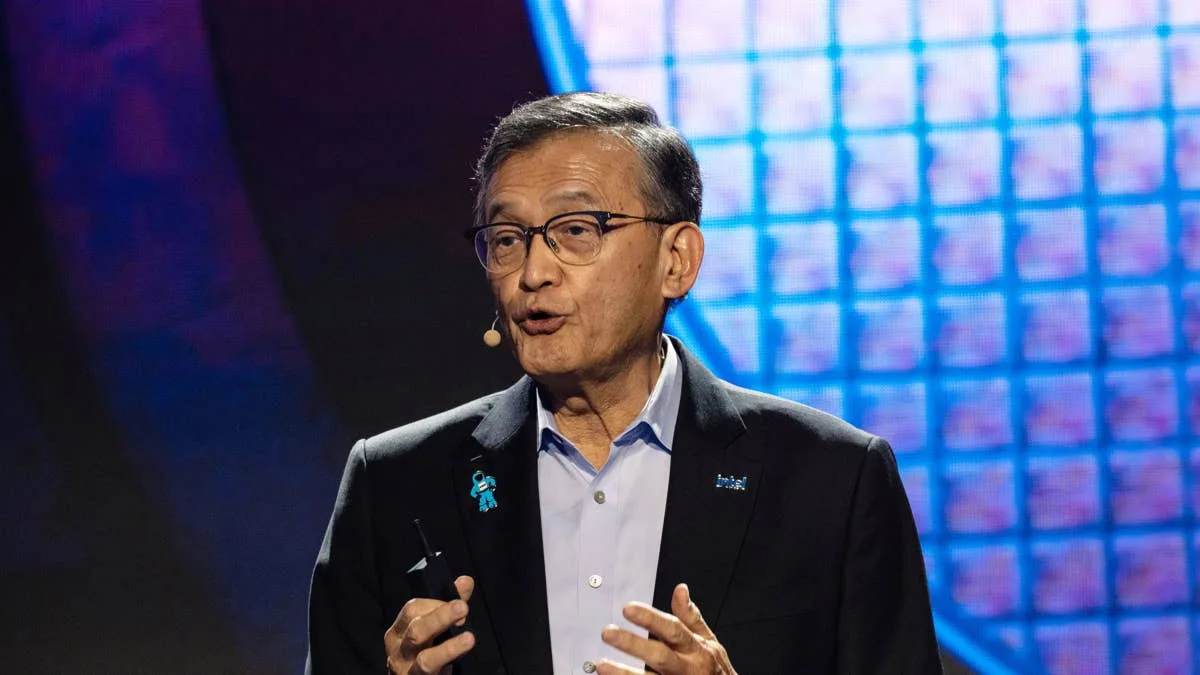
Intel's chief executive has issued an unambiguous warning to investors hoping for a rapid recovery: the road ahead remains long, and the challenges facing the iconic semiconductor maker are structural, not merely cyclical. In an era when rivals like Nvidia have captured Wall Street's imagination with explosive AI-driven growth, Intel's leadership is urging patience over optimism.
The message carries significant weight at a moment when the broader chip industry is navigating shifting demand patterns, geopolitical pressures on supply chains, and an accelerating pivot toward AI-specific hardware. Intel, once the undisputed king of semiconductors, has found itself on the back foot — losing ground in both the data center and consumer PC markets while attempting an expensive and complicated manufacturing overhaul.
Read more Intel Rallies on Apple Chip Deal as Foundry Bets Take Center Stage →
What makes this reality check analytically notable is its rarity: CEOs typically avoid dampening investor sentiment, preferring forward-looking optimism that can sustain stock valuations. That Intel's leadership is publicly resetting expectations suggests the company may be prioritizing long-term credibility over short-term share price support — a posture that could appeal to institutional investors focused on fundamentals rather than momentum traders.
The broader implication for the semiconductor sector is instructive. Intel's struggle underscores how quickly competitive moats can erode in a capital-intensive, fast-moving industry. While government incentives tied to domestic chip manufacturing — including funding tied to the CHIPS Act — provide some tailwind, they cannot substitute for the engineering execution and product competitiveness Intel must demonstrate to reclaim relevance in AI infrastructure.
For retail investors tracking Intel stock, the CEO's candor is both a caution and, paradoxically, a potential signal of stabilization — companies rarely begin honest public recalibration until leadership has enough confidence in a baseline plan to survive scrutiny. Continue reading at Yahoo Finance.



