ICF International Q2 Earnings: What Analysts Wanted to Know
ICF International's Q2 results were mixed, with flat revenue but stronger-than-expected earnings metrics sparking pointed analyst questions.

ICF International's second-quarter earnings call revealed a company navigating a delicate balancing act: revenue came in essentially unchanged from a year ago and fell just short of Wall Street's expectations, yet adjusted earnings per share and EBITDA both cleared the bar analysts had set. That combination — topline softness paired with bottom-line resilience — naturally invited scrutiny from the investment community about where the business is headed.
Management pointed to several areas of genuine momentum. Commercial energy efficiency programs, international government contracts, and technology modernization work all posted strong performance, suggesting the firm is finding growth in pockets even as overall revenue growth stalls. These segments reflect broader secular trends — the energy transition, overseas government digitization, and aging federal IT infrastructure — that could provide durable tailwinds if execution holds.
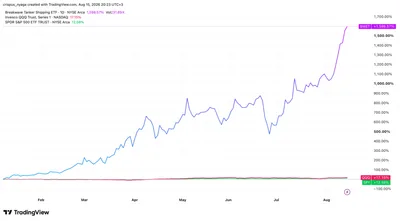
Read more BWET ETF Surges 1,600% in 2026 Amid US-Iran Conflict →
Analysts zeroed in on five core themes during the question-and-answer session: the trajectory of future growth projections, the health and composition of the company's contract backlog, progress and scalability within technology modernization, and the degree to which disaster recovery projects are inflating or sustaining near-term results. The backlog question is particularly telling — a robust backlog signals revenue visibility, while a thinning one can foreshadow the kind of topline pressure already showing up in Q2.
The disaster recovery inquiry is worth watching closely. Such projects, often tied to federal emergency response funding, can generate significant short-term revenue but are inherently episodic. Investors are right to ask whether ICF's recent performance in that area reflects repeatable business or a one-time lift that will eventually fade from the comparables. Management's answers to these questions will shape how the market calibrates expectations heading into the second half of the year.
For a firm like ICF, which operates at the intersection of government consulting and commercial advisory, the Q2 print underscores how mixed signals can coexist — and why the details behind the headline numbers matter as much as the numbers themselves. Continue reading at Yahoo Finance.