How TikTok and YouTube Are Reshaping Sports Viewership
Social platforms are winning younger sports fans, and traditional broadcasters are being forced to follow them there.
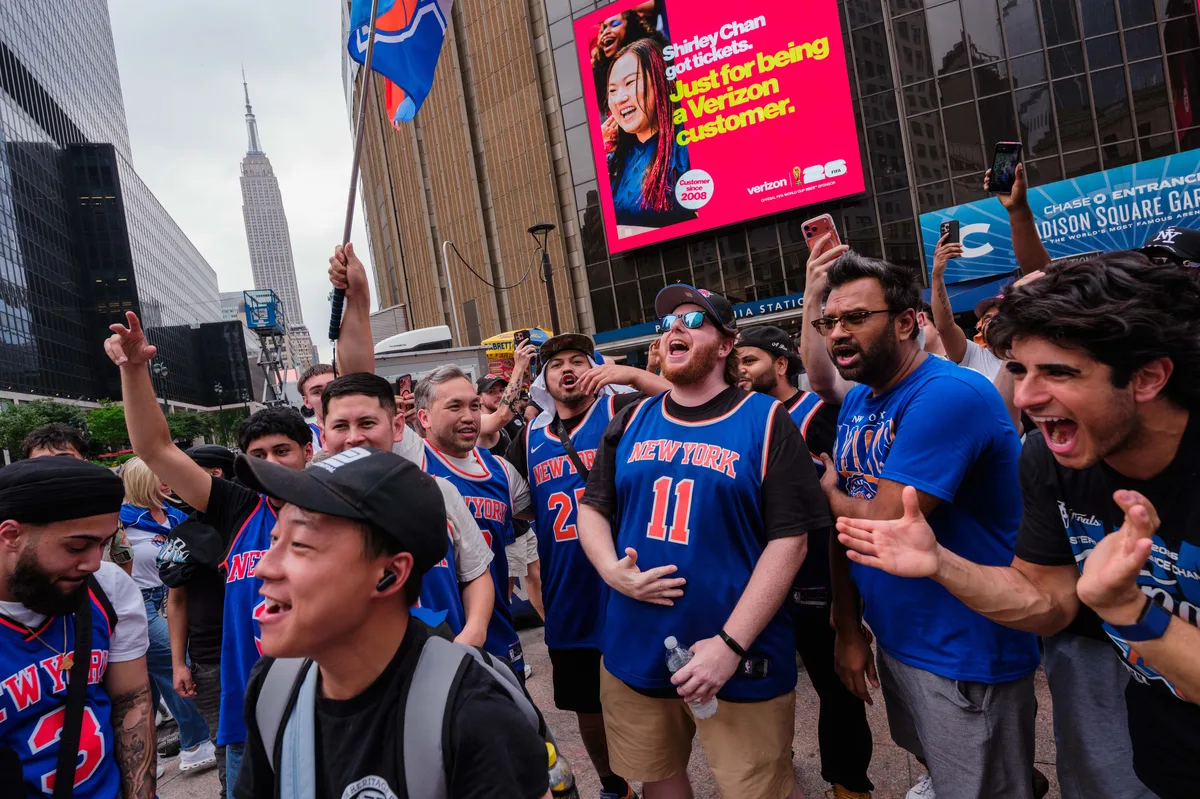
The business of watching sports is undergoing a quiet but consequential transformation. Leagues, teams, and media networks are no longer waiting for younger fans to find their way to linear television — they are pursuing them directly on the platforms where those fans already spend most of their time, chiefly TikTok, YouTube, and even gaming environments like Roblox.
This shift reflects a deeper behavioral reality: younger audiences do not organize their media consumption around scheduled broadcasts. They graze, clip, and scroll. A highlight reel on TikTok or a post-game breakdown on YouTube can deliver more genuine engagement from a 22-year-old than a three-hour primetime window ever would. For sports properties, that is both a challenge to traditional revenue models and an opening to build loyalty with fans who might otherwise drift entirely.
Read more Qualcomm Shifts Strategy to Capture AI Data Center Growth →
Broadcasters are taking note in part because they have to. Rights deals remain enormously valuable, but the audiences those deals promise are aging. Reaching the next generation of paying subscribers and ticket buyers requires fluency in short-form video, algorithm-driven discovery, and community-based platforms that function less like channels and more like social spaces. Roblox, notably, represents a frontier where sports franchises can embed themselves inside interactive experiences rather than simply advertising around them.
What this means in practice is that the definition of a sports media partner is expanding. A league's distribution strategy increasingly spans a traditional broadcast partner, a streaming service, a YouTube channel with original programming, and a TikTok presence optimized for virality — all simultaneously. The risk for legacy broadcasters is that they become just one node in a much larger ecosystem, losing the central role they have held for decades.
The stakes for getting this right are significant. Sports rights are among the last forms of live content that reliably aggregate mass audiences, and the organizations that learn to extend that gravitational pull across social platforms stand to define the next era of fan engagement. Continue reading at US Top News and Analysis.