How SpaceX, OpenAI and Anthropic Could Land in Your 401(k)
Private tech giants are quietly entering retirement portfolios via index funds, raising questions about access, risk, and regulation.
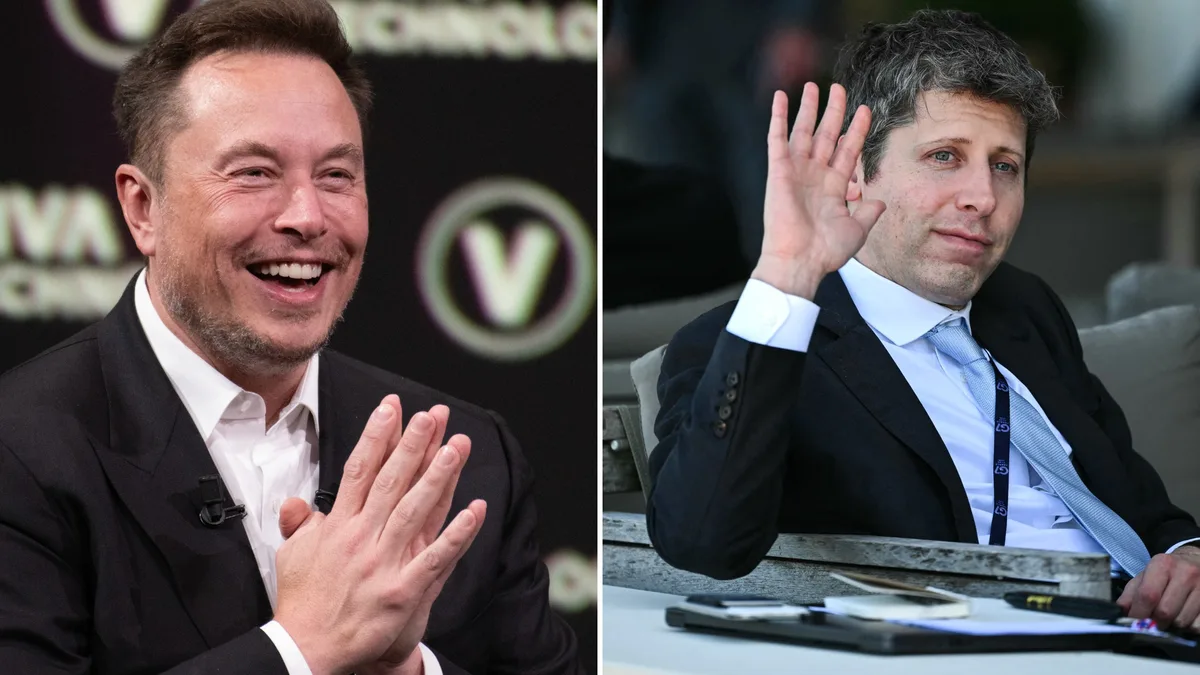
A quiet structural shift is reshaping the American retirement landscape. SpaceX, the privately held aerospace and AI company controlled by Elon Musk, has already found its way into millions of 401(k) accounts — not through a traditional IPO, but through index funds that hold private company shares. The same regulatory and structural pathways that allowed SpaceX in are now theoretically open to other high-profile private firms like OpenAI and Anthropic, the two most prominent artificial intelligence startups in the country.
The mechanism here matters. Certain index funds, particularly those targeting broad market or innovation exposure, have gained the ability to include stakes in pre-IPO companies. When fund managers add a private firm like SpaceX to a fund that millions of ordinary investors hold in their retirement accounts, those savers gain exposure to companies they could never purchase on their own through a standard brokerage. This democratizes access in one sense, but it also introduces a layer of illiquidity and valuation opacity that public equities simply do not carry.
Read more Two Dividend Stocks Worth Buying in a Steady-Rate Environment →
The analytical tension is significant. Proponents argue that giving everyday retirement savers a slice of the most dynamic private companies in the world is a meaningful expansion of wealth-building opportunity — historically, the biggest gains in transformative companies have come before they go public, and those gains have been reserved almost exclusively for institutional investors and the ultra-wealthy. Critics, however, point to the difficulty of pricing private shares, the limited redemption options when markets turn, and the reduced disclosure requirements that private companies operate under compared to their public counterparts.
For OpenAI and Anthropic specifically, the stakes are unusually high given how rapidly their valuations have moved and how central AI is to near-term economic narratives. If fund managers begin incorporating these names into index products, the line between speculative venture capital and mainstream retirement savings will blur in ways regulators have not yet fully addressed. The policy framework governing how much of a fund can be allocated to illiquid private assets remains a live and evolving debate in Washington.
For retirement savers, the practical implication is straightforward but easy to overlook: the index fund sitting inside your 401(k) may no longer be a purely public-market instrument. Checking a fund's prospectus for private asset exposure is now a more relevant exercise than it was even five years ago. Continue reading at Yahoo Finance.