Hormuz Strait Traffic Recovery Pushed to 2027, Traders Bet
Prediction market odds for normal Strait of Hormuz traffic by December have collapsed to 43%, signaling a prolonged disruption through 2027.
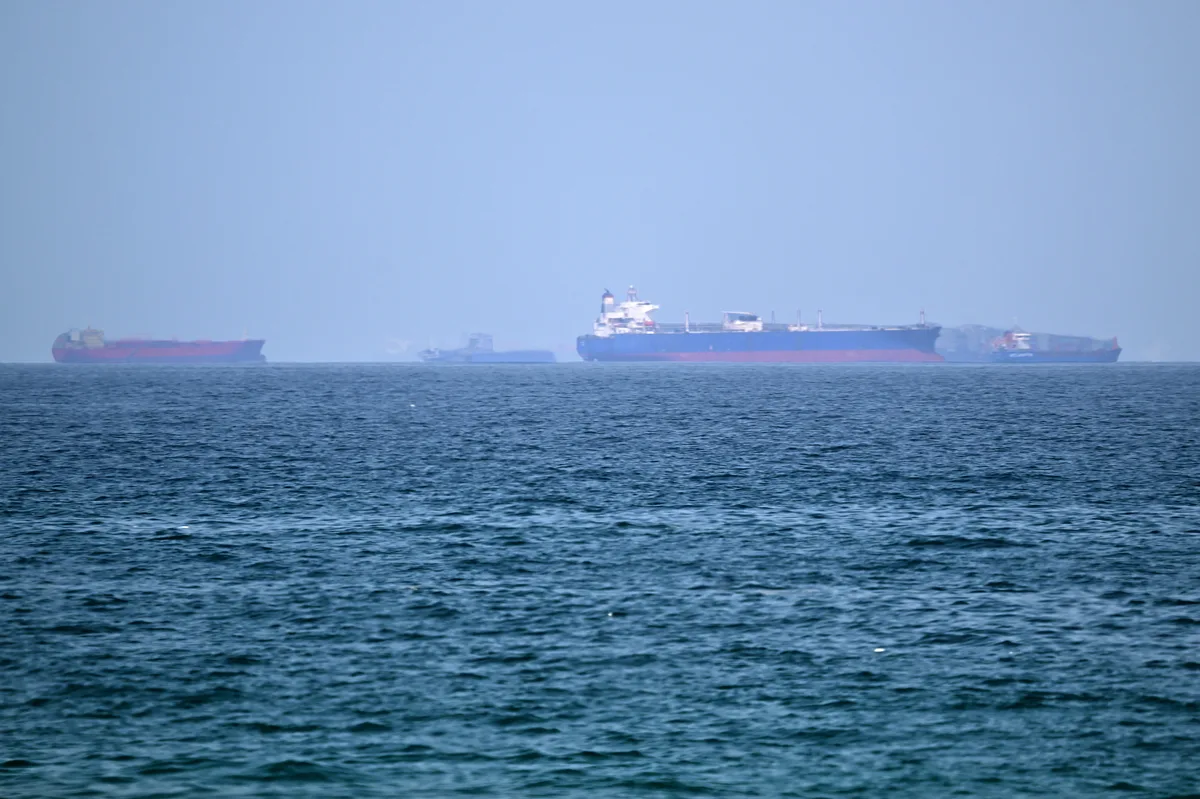
The world's most critical oil chokepoint is unlikely to return to normal shipping conditions before 2027, according to traders on Kalshi, the regulated prediction market platform. Odds that traffic through the Strait of Hormuz normalizes by December 1 have fallen to just 43%, a figure that reflects deepening pessimism following the latest setback to stabilization efforts.
The Strait of Hormuz carries roughly one-fifth of global oil supply, making any sustained disruption a significant variable for energy markets, inflation expectations, and geopolitical risk pricing. When speculators — who put real money behind their forecasts — collectively assign less than even odds to a near-term recovery, it is a signal worth taking seriously, even if prediction markets are imperfect instruments.
Read more Adobe Stock Jumps 5.6% But Trades Far Below Estimated Fair Value →
The Kalshi odds represent a meaningful shift in market sentiment, suggesting that whatever triggered the most recent setback has materially changed the timeline traders had previously anticipated. Prediction markets aggregate dispersed information from participants with financial skin in the game, often processing geopolitical signals faster than traditional analyst reports or official statements.
For energy markets, a prolonged Hormuz disruption compounds existing supply uncertainties. Extended rerouting of tanker traffic around the Cape of Good Hope adds days and costs to shipments, a pressure that ultimately filters through to refined fuel prices and broader logistics chains. The longer the disruption persists, the more structural — rather than transitory — those cost pressures become.
Whether the 2027 timeline proves accurate depends on diplomatic and security developments that remain fluid. But when futures traders collectively price in a protracted disruption, policymakers and corporate planners ignore that signal at their peril. Continue reading at US Top News and Analysis.