Hormuz Bypass Pipelines Offer Incomplete Shield for Oil Exports
New pipelines aim to route crude around the Strait of Hormuz, but analysts warn the infrastructure remains exposed to Iranian threats.
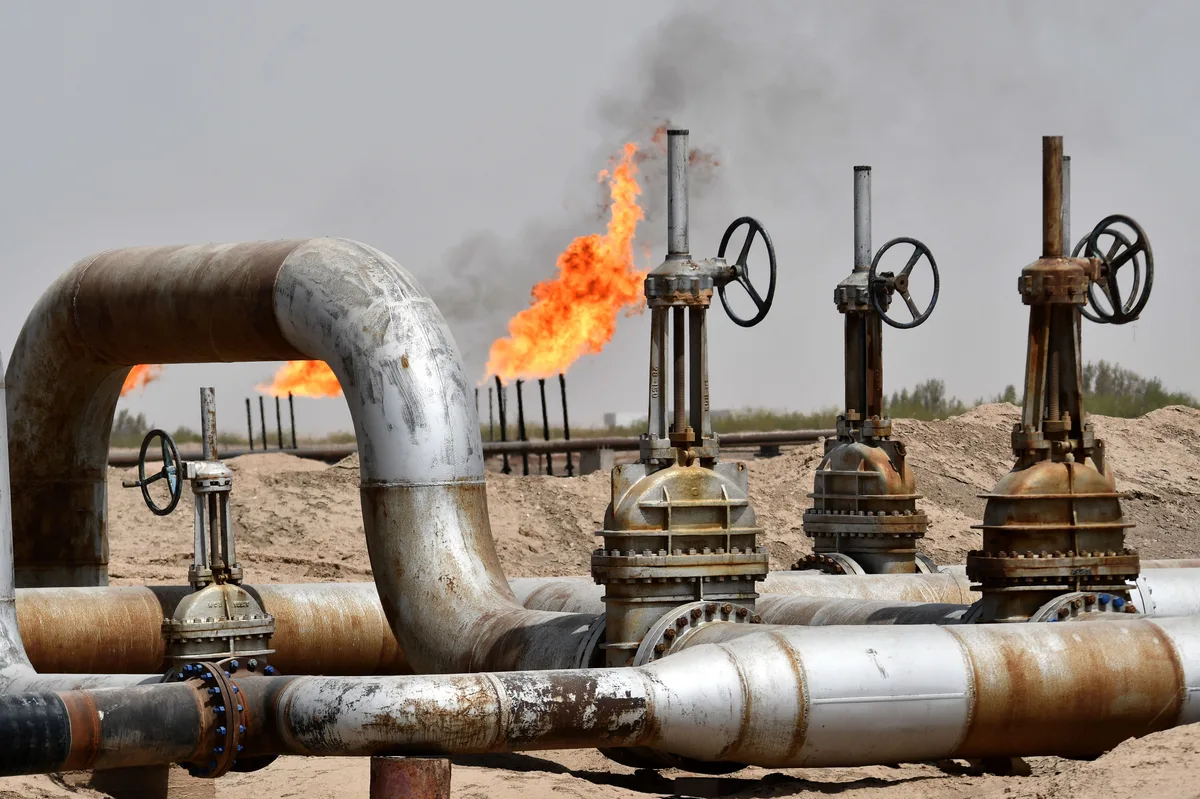
The Strait of Hormuz has long been one of the most strategically fraught chokepoints in the global energy system, and oil-producing nations in the Middle East are now accelerating efforts to build their way around it. New and proposed pipeline projects would theoretically allow crude to reach international markets without transiting the narrow waterway that Iran has repeatedly threatened to close. Yet analysts caution that this engineering ambition does not fully neutralize the geopolitical risk that Iran continues to represent.
The core problem is that pipelines, while they sidestep the strait itself, are not immune to disruption. Above-ground infrastructure — pumping stations, terminals, and the pipelines themselves — can be targeted by missile strikes, drone attacks, or sabotage, tools that regional actors have already demonstrated a willingness and capacity to deploy. Moving the transit route does not automatically move it out of reach.
Read more Adobe Stock Jumps 5.6% But Trades Far Below Estimated Fair Value →
There is also a question of capacity and completion timelines. Even if bypass pipelines are eventually built at sufficient scale, the period between now and full operational status leaves significant vulnerability intact. The global oil market, which remains highly sensitive to supply disruption signals, would not be insulated during that interim window. Any escalation involving Iranian forces could still send prices sharply higher regardless of pipeline progress on paper.
Beyond the physical risks, analysts point to the broader strategic calculus: Iran's leverage over Hormuz is as much political as it is military. The threat alone — credible or not — shapes shipping insurance costs, tanker routing decisions, and energy security planning across importing nations from Europe to East Asia. Pipelines can reduce exposure at the margins, but they cannot eliminate the uncertainty that Iran's posture injects into the market.
For now, bypass infrastructure remains an important long-term hedge for regional producers, but it is not the clean solution its proponents might hope for. Continue reading at US Top News and Analysis.