Gulf Markets Pause as Hormuz Deal Uncertainty Weighs on Investors
Gulf stock exchanges traded cautiously as investors held back, waiting for clearer signals on a potential Strait of Hormuz agreement.
Across most Gulf stock exchanges, trading activity remained muted as investors adopted a wait-and-see posture, unwilling to make significant moves until there is greater clarity surrounding developments related to the Strait of Hormuz. The strategic waterway, through which a substantial share of the world's seaborne oil passes, carries enormous geopolitical and economic weight for the entire region, making any diplomatic uncertainty a natural brake on investor confidence.
The subdued tone across bourses reflects a broader pattern familiar to Gulf markets: when tensions or negotiations involving critical shipping lanes reach an inflection point, risk appetite tends to contract sharply. Institutional and retail investors alike recognize that the Strait of Hormuz is not merely a geographic chokepoint but a barometer for regional stability, energy supply security, and the broader investment climate across the Arabian Peninsula.
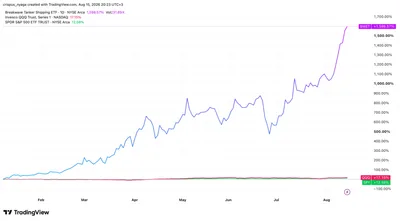
Read more BWET ETF Surges 1,600% in 2026 Amid US-Iran Conflict →
For Gulf economies whose sovereign wealth, corporate earnings, and fiscal planning are deeply intertwined with oil export flows, the stakes of any Hormuz-related diplomatic framework are particularly high. A deal that meaningfully secures passage could unlock a wave of renewed investor confidence, while prolonged ambiguity risks keeping capital on the sidelines and dampening equity valuations across the board.
Analysts watching the region will note that this kind of market caution is rational rather than panicked — a measured recalibration in response to genuine geopolitical uncertainty rather than a fundamental reassessment of Gulf economic prospects. Until negotiators or officials offer clearer signals about the direction and durability of any emerging agreement, Gulf bourses are likely to continue trading in a narrow, defensive range.
Continue reading at Reuters.