Grocery Chain Store Closures Signal Deeper Retail Stress
Another grocery retailer has quietly shuttered additional locations, reflecting mounting pressure across the traditional supermarket sector.
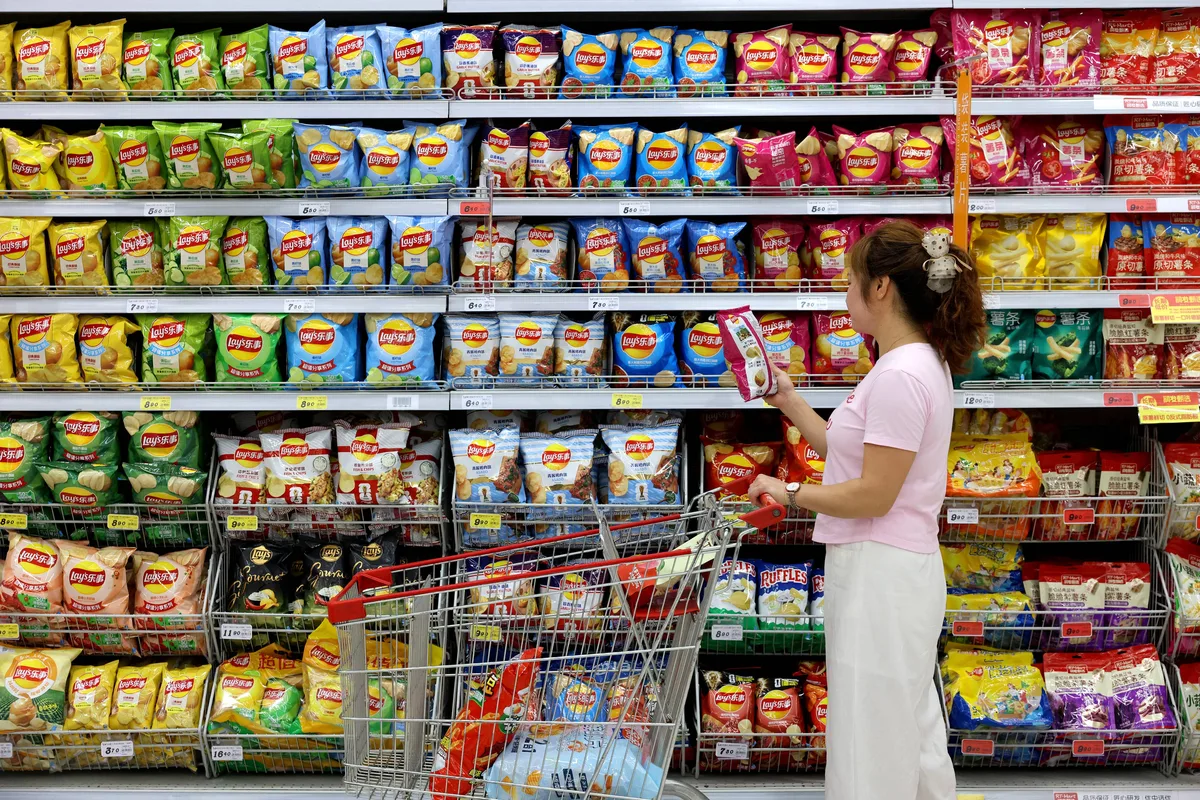
The American grocery industry is undergoing a quiet but consequential contraction, with another regional chain pulling back its physical footprint in what analysts broadly interpret as a symptom of structural challenges rather than isolated mismanagement. While the specific retailer and store count were not disclosed in detail, the pattern of unannounced closures has become a recurring feature of the post-pandemic retail landscape.
Traditional brick-and-mortar grocery operators are caught between compounding cost pressures — including elevated labor expenses, persistent food inflation, and rising real estate overhead — and an increasingly fragmented consumer base that is splitting its spending between discount formats like Aldi and Lidl, warehouse clubs like Costco, and the fast-growing online delivery ecosystem dominated by Amazon and Instacart. Margins in conventional grocery have historically hovered in the low single digits, leaving little buffer when any one cost category spikes.
Read more Madison Air Solutions Strikes $5.4B Deal to Acquire ebm-papst →
The quiet nature of these closures is itself analytically significant. Rather than headline-grabbing bankruptcy filings or sweeping restructuring announcements, many chains are opting for a methodical, store-by-store retreat — a strategy that minimizes immediate reputational damage but can accelerate customer attrition as shoppers preemptively switch loyalties. This gradualism can mask the velocity of underlying deterioration until a chain reaches a critical tipping point.
For consumers, the practical consequences extend beyond inconvenience. Grocery store closures disproportionately affect lower-income and rural communities where food access is already constrained, potentially deepening existing food desert dynamics. Policymakers and urban planners have increasingly flagged supermarket withdrawal as a public health issue, not merely a commercial one.
The broader retail food sector is likely to see continued consolidation as national players with scale advantages absorb market share from weakened regional competitors. Investors and industry observers should treat each quiet closure not as a one-off event but as a data point in a longer-running realignment of how and where Americans buy their food. Continue reading at Yahoo Finance.