Fresh Explosions in Iran as Regional Conflict Enters Third Day
New strikes reported in Iran amid escalating tit-for-tat exchanges, though a US official denied American involvement in the latest blasts.
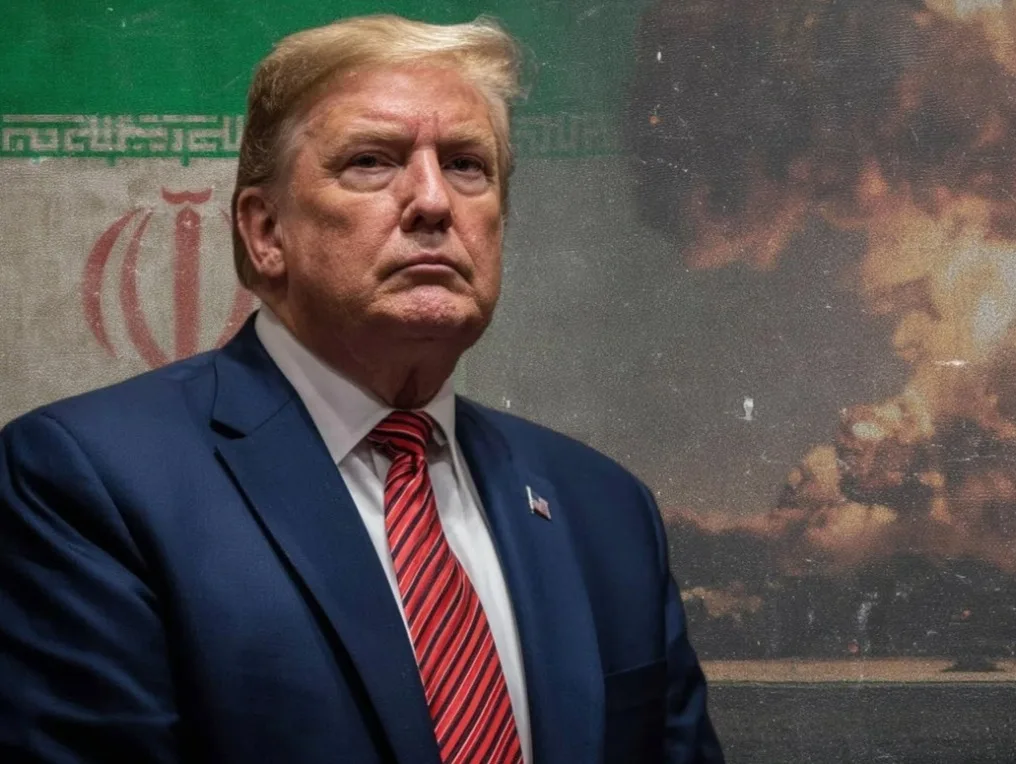
Explosions were reported inside Iran for a third consecutive day, according to Iranian news agencies, deepening a regional standoff that has rattled energy markets and raised fears of broader escalation. The latest blasts follow Iranian retaliatory strikes against US military bases in the region — a move Tehran has signaled it is prepared to escalate further if pressed.
Oil prices bounced on the fresh headlines, a reaction that reflects how sensitively commodity markets are tracking every development in the conflict. The rebound was not entirely unexpected — Israeli press had been reporting roughly an hour earlier that strikes were imminent or that aircraft were already airborne toward Iranian territory, priming traders for another round of volatility.
Read more Adobe Stock Jumps 5.6% But Trades Far Below Estimated Fair Value →
The picture quickly grew murkier when reporter Barak Ravid indicated that the United States had not carried out the strikes, leaving the origin of the explosions unclear. That denial opens two competing explanations: either the initial explosion reports were inaccurate or exaggerated, or a third party — potentially Israel or another regional actor — was responsible for the action on the ground.
The ambiguity itself carries strategic weight. A conflict in which multiple actors can project force, with attribution remaining uncertain, dramatically complicates any diplomatic off-ramp. Analysts watching the situation closely have flagged a particularly dangerous scenario: Iranian retaliation shifting from military targets to energy or civilian infrastructure in countries hosting American forces, a move that would almost certainly broaden the conflict and deliver a severe shock to global oil supply chains.
For markets, the core risk is not any single strike but the compounding uncertainty about where escalation stops. Continue reading at Forexlive.