Ford Rehires 350 Engineers After AI Falls Short on Quality Control
Ford's AI-driven quality initiative hit a wall, prompting the automaker to bring back hundreds of veteran engineers to fill the gap.
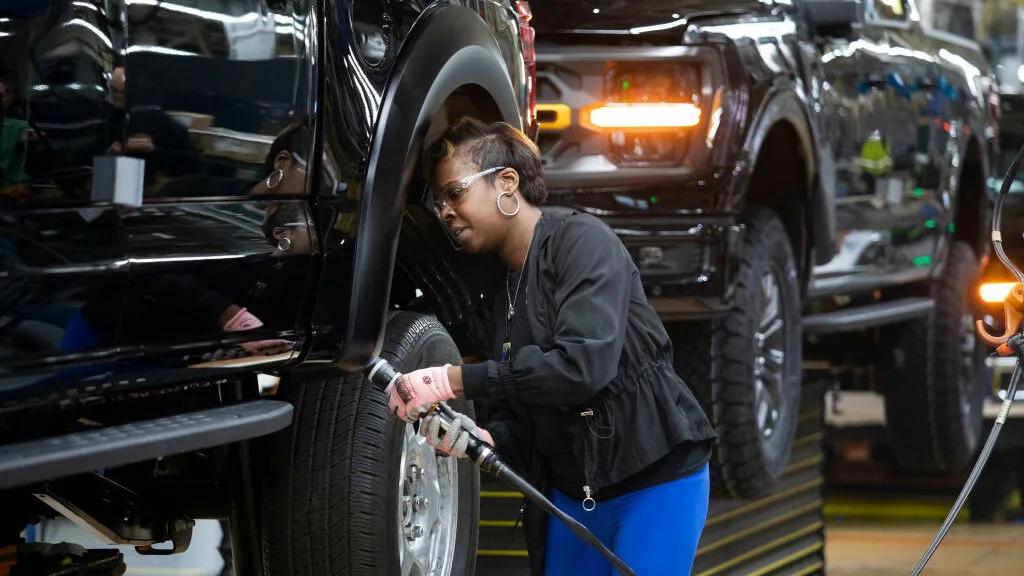
Ford Motor Company made a telling admission about the limits of artificial intelligence in complex manufacturing environments: the technology it deployed for quality control simply wasn't capable of replacing the seasoned human judgment its engineers had spent careers developing. In response, the automaker reversed course and rehired approximately 350 veteran engineers to address persistent quality issues that AI tools alone could not resolve.
The decision carries significant weight for the broader conversation about automation in industrial settings. While AI has demonstrated real value in data processing, pattern recognition, and predictive maintenance, Ford's experience underscores that certain domains — particularly the nuanced, experience-driven work of diagnosing systemic manufacturing defects — remain stubbornly resistant to full automation. Institutional knowledge, it turns out, is not easily replicated by a model trained on historical data.
Read more Johnson & Johnson Wins Talc Cancer Lawsuit Involving Three Women →
For Ford specifically, quality control has been a pressure point in recent years, with warranty costs and reliability scores drawing scrutiny from analysts and consumers alike. Bringing back hundreds of engineers suggests the company is prioritizing long-term product integrity over short-term labor cost savings, a strategic recalibration that may signal a wider rethink of how aggressively automakers should pursue AI-led workforce reductions in technical roles.
The episode also raises a cautionary note for industries racing to deploy AI as a cost-cutting mechanism. Replacing domain experts prematurely — before AI systems are genuinely capable of matching their output — can create operational gaps that are expensive and time-consuming to close. Ford's rehiring effort is, in effect, an acknowledgment that the transition to AI-augmented manufacturing requires a longer runway than many executives initially anticipated.
Continue reading at Yahoo Finance