F5 Shares Slip 3% in Likely Post-Earnings Profit-Taking
FFIV falls without a clear catalyst, pointing to consolidation after a strong earnings beat and raised guidance in late July.

F5 Networks shares declined 3.1% in a session marked by an absence of any obvious negative news, a pattern that market watchers typically associate with profit-taking rather than fundamental deterioration. The move follows a meaningful run-up tied to the company's late-July earnings report, in which management not only beat expectations but also raised full-year guidance — a combination that tends to invite near-term selling once early enthusiasm subsides.
The pullback offers a useful window into how investors are currently weighing F5's longer-term positioning. The company has been actively expanding its AI-focused security product lineup, planting a flag at the intersection of two of the market's most closely watched themes: artificial intelligence infrastructure and enterprise cyber defense. That strategic pivot gives institutional holders a reason to stay patient through short-term volatility, even as some choose to lock in gains after a strong quarter.
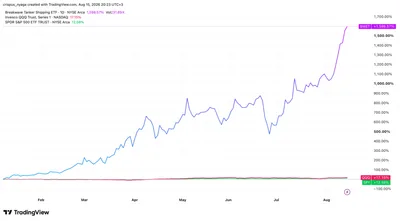
Read more BWET ETF Surges 1,600% in 2026 Amid US-Iran Conflict →
Insider activity, however, adds a layer of caution to any bullish read. Over the past six months, insiders recorded 61 sales and zero purchases — a lopsided ratio that analysts often treat as a soft bearish signal, though it can also reflect routine compensation-related selling rather than a deliberate vote of no-confidence. Institutional investors showed mixed activity, offering no clear directional signal, while congressional trading data logged a single purchase during the same window.
Taken together, the session's decline looks less like a reassessment of F5's fundamentals and more like a natural exhale after an earnings-driven rally. Whether the stock finds support at current levels may depend on how quickly the broader market begins pricing in the company's AI security ambitions as a durable growth driver rather than a speculative overlay.
Continue reading at Quiver Quantitative