Data Center Deals Face Voter Backlash as States Cut Red Tape
Governors are courting massive tech investments by easing regulations, but communities near data centers are pushing back hard.
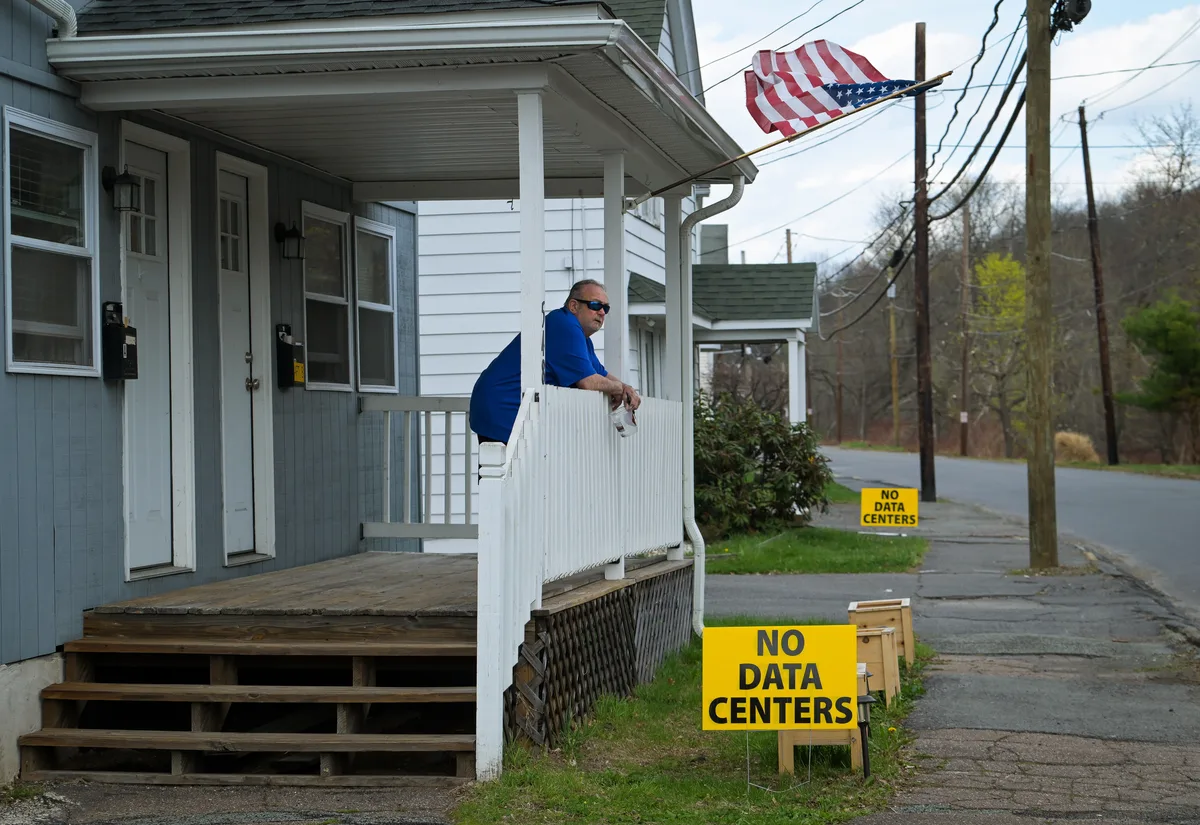
Pennsylvania Governor Josh Shapiro made headlines last June when he announced a $20 billion economic development agreement — the largest in the state's history. Rather than delivering a political triumph, the deal has proven to be a persistent source of controversy and political headaches for the Democratic governor, illustrating a tension playing out across the country as state leaders compete aggressively for technology investment.
Across the United States, companies in the data center and broader tech sector have been pressuring state governments to streamline permitting processes, reduce environmental reviews, and otherwise cut regulatory red tape in exchange for the promise of jobs and capital investment. For governors eager to claim economic wins, these arrangements can seem irresistible — large dollar figures, ribbon-cutting opportunities, and tangible proof of pro-business governance.
Read more South Korean Ships Transit Hormuz After Iran MOU Signing →
But the calculus is more complicated on the ground. Residents living near proposed or existing data center sites have raised alarms about noise, water consumption, strain on local power grids, and the relatively modest number of permanent jobs these facilities typically generate compared to their massive footprints. That voter skepticism creates a genuine political risk for officials who have staked reputations on landing these deals, particularly as communities grow more sophisticated about what large-scale tech infrastructure actually means for daily life.
The dynamic reflects a broader fault line in American economic policy: the gap between top-down dealmaking by executives and elected officials, and bottom-up concerns from constituents who bear the localized costs of development. States that move too aggressively to remove oversight mechanisms may find themselves caught between the demands of corporate partners and an increasingly vocal electorate that wants a say in how their communities are transformed by the infrastructure powering the digital economy.
The Shapiro situation serves as an early warning for policymakers nationwide that big-number announcements do not automatically translate into durable political capital. Continue reading at US Top News and Analysis.