Crypto Markets Hold Steady Amid Rising Middle East Tensions
Digital assets are showing unusual resilience as geopolitical stress mounts in the Middle East, defying traditional risk-off sentiment.
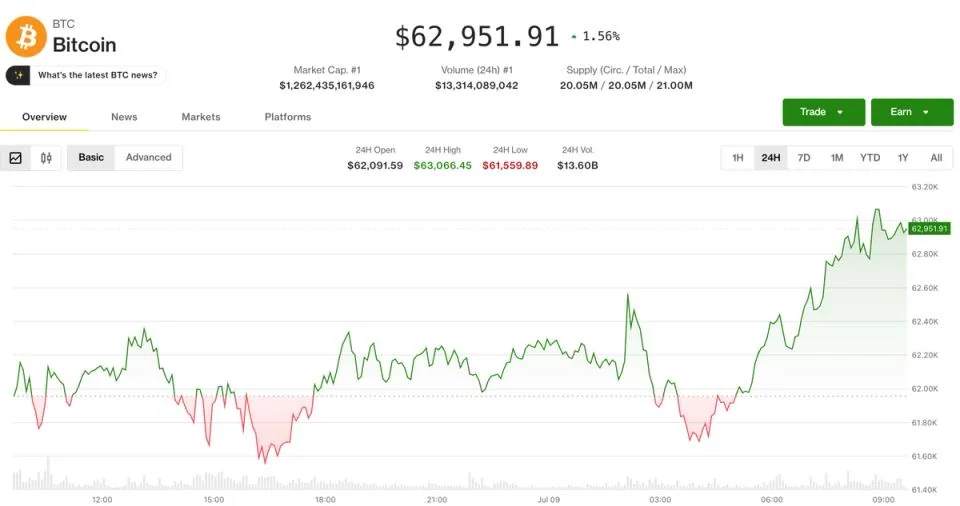
Cryptocurrency markets are demonstrating a notable capacity to absorb geopolitical shocks, holding relatively firm even as renewed tensions in the Middle East rattle broader financial markets. This kind of steadiness in the face of macroeconomic turbulence marks a meaningful moment for an asset class long criticized for its fragility during periods of global uncertainty.
Historically, risk assets — equities, commodities, and speculative instruments alike — tend to sell off when geopolitical flashpoints escalate. That crypto is bucking this pattern, at least in the near term, raises important questions about how institutional and retail investors are repositioning digital assets in their portfolios. Some analysts have argued that bitcoin, in particular, is gradually maturing into a macro hedge, though that thesis remains contested.
Read more Adobe Stock Jumps 5.6% But Trades Far Below Estimated Fair Value →
The resilience could also reflect the increasingly global and decentralized nature of crypto ownership. Unlike equities tied to specific national economies, digital assets trade continuously across jurisdictions, meaning regional stress doesn't automatically trigger the same cascade of sell orders that might hit a domestic stock index. This structural difference may be offering the market a buffer that wasn't available in earlier cycles.
Still, caution is warranted. Crypto's past episodes of apparent resilience have sometimes preceded sharp corrections once broader market sentiment fully shifted. Investors and analysts watching this dynamic would be wise to weigh short-term steadiness against the asset class's well-documented volatility over longer time horizons. Whether this moment represents a genuine maturation or a temporary lag in risk repricing remains an open and consequential question.
Continue reading at CoinDesk.