Copper Hits an All-Time High, but Its Message Is Complicated
Copper prices surged to a record, yet the traditional economic signal the metal sends may be murkier than usual this cycle.
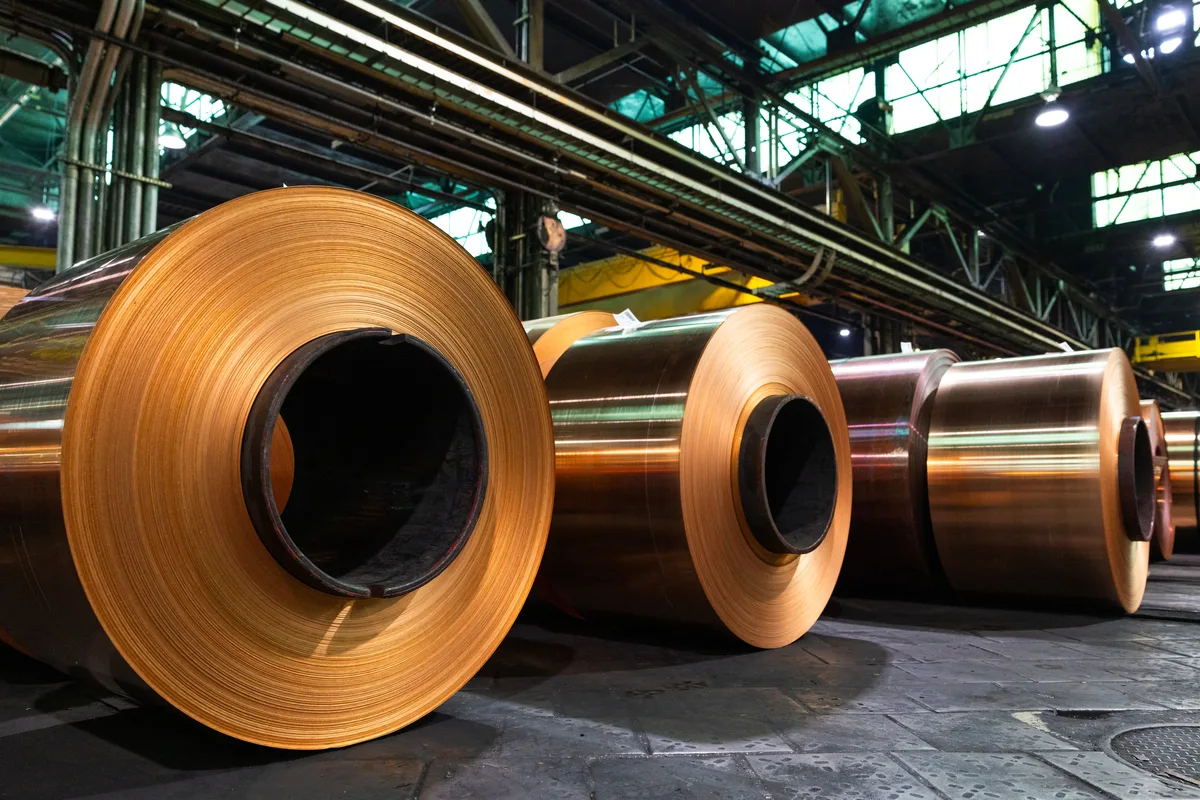
Copper has long carried an informal doctorate in economics. The industrial metal's price movements have historically tracked global growth so reliably that traders nicknamed it "Dr. Copper" — a commodity that, unlike gold or oil, has few speculative distortions and a direct relationship with construction, manufacturing, and electrification. When copper rises, the conventional wisdom holds, the world economy is humming. When it falls, contraction may be near.
Now copper has climbed to its highest price ever recorded, a milestone that would ordinarily prompt optimism about the health of the global economy. But analysts and traders are urging caution before drawing the familiar conclusions. The forces driving this particular rally are tangled enough that the metal's celebrated diagnostic power may be yielding a false positive — or at least an ambiguous one — in the current environment.
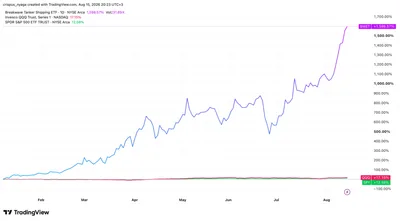
Read more BWET ETF Surges 1,600% in 2026 Amid US-Iran Conflict →
Several structural shifts complicate the reading. The energy transition has supercharged long-term demand expectations for copper, which is essential for electric vehicles, solar panels, power grids, and battery storage systems. That secular demand story can inflate prices independent of near-term economic conditions, meaning a record price in 2024 may reflect a bet on 2030 as much as a verdict on today's industrial output. Supply constraints, including limited new mining investment and geopolitical friction in key producing nations, add another layer of noise to what was once a cleaner signal.
The result is a metal at record highs whose message resists easy interpretation. Investors who treat the copper surge as straightforward confirmation of global economic strength may be reading only part of the story. Equally, those who dismiss the rally as purely speculative or transition-driven ignore genuine tightness in near-term supply. "Dr. Copper" has not lost its relevance — but like any good analyst, its conclusions now require more careful interrogation before being accepted at face value.
Continue reading at US Top News and Analysis