CME Bitcoin Options Skew Bearish as $60K Support Comes Into Doubt
Put options are dominating CME Bitcoin contracts, signaling traders are hedging against a breakdown below the $60,000 level.
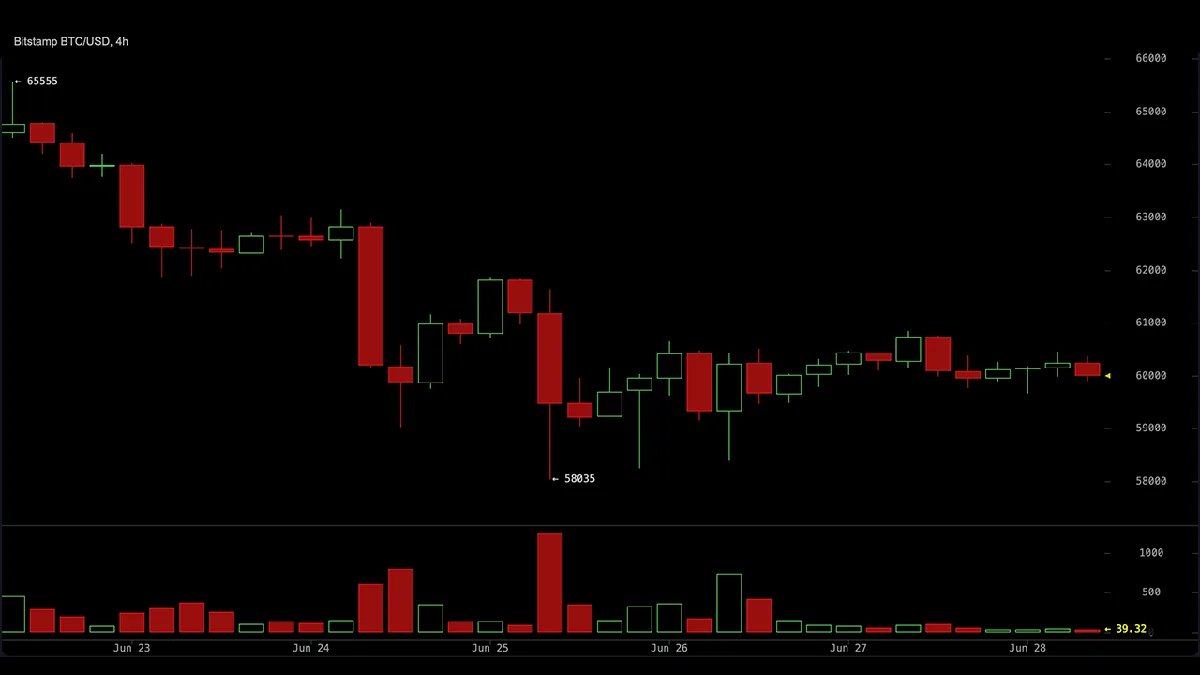
A notable shift in sentiment is playing out in regulated Bitcoin derivatives markets, where put options on the Chicago Mercantile Exchange have taken clear precedence over calls. The imbalance suggests that a meaningful cohort of institutional and sophisticated traders are paying to protect themselves — or outright speculate — against a decline through the $60,000 price threshold that many analysts have treated as a structural support level.
The dominance of puts on a regulated venue like the CME carries particular interpretive weight. Unlike activity on offshore crypto-native exchanges, CME positioning tends to reflect the views of institutional participants — hedge funds, asset managers, and proprietary trading desks — who operate within formal risk frameworks. When these actors tilt toward downside protection en masse, it often signals that the professional consensus is less confident in near-term price stability than retail sentiment might suggest.
Read more Jobs Data, Nike Earnings, and a Major Breakup to Watch This Week →
The $60,000 zone has functioned as a closely watched psychological and technical marker during Bitcoin's current cycle. A sustained close below it could invite additional selling pressure from momentum-driven strategies and trigger stop-loss cascades, amplifying any initial move lower. Traders loading up on puts may be anticipating exactly that kind of nonlinear downside, where a breach of support accelerates rather than merely reflects deteriorating conditions.
From a broader market structure perspective, skewed options positioning is not necessarily a directional prophecy — heavy put buying can also reflect hedging by holders who remain long the underlying asset and simply want downside insurance. Still, the persistence and scale of the CME put dominance reported here implies something beyond routine portfolio protection, pointing instead to a genuine reassessment of Bitcoin's near-term risk profile among sophisticated market participants.
Continue reading at news_bitcoin.