Bessent's Treasury Strategy Aims to Tame Long-Term Yields
Treasury Secretary Bessent is ramping up debt buybacks to cool the bond market, but economists warn the move could complicate Fed independence.
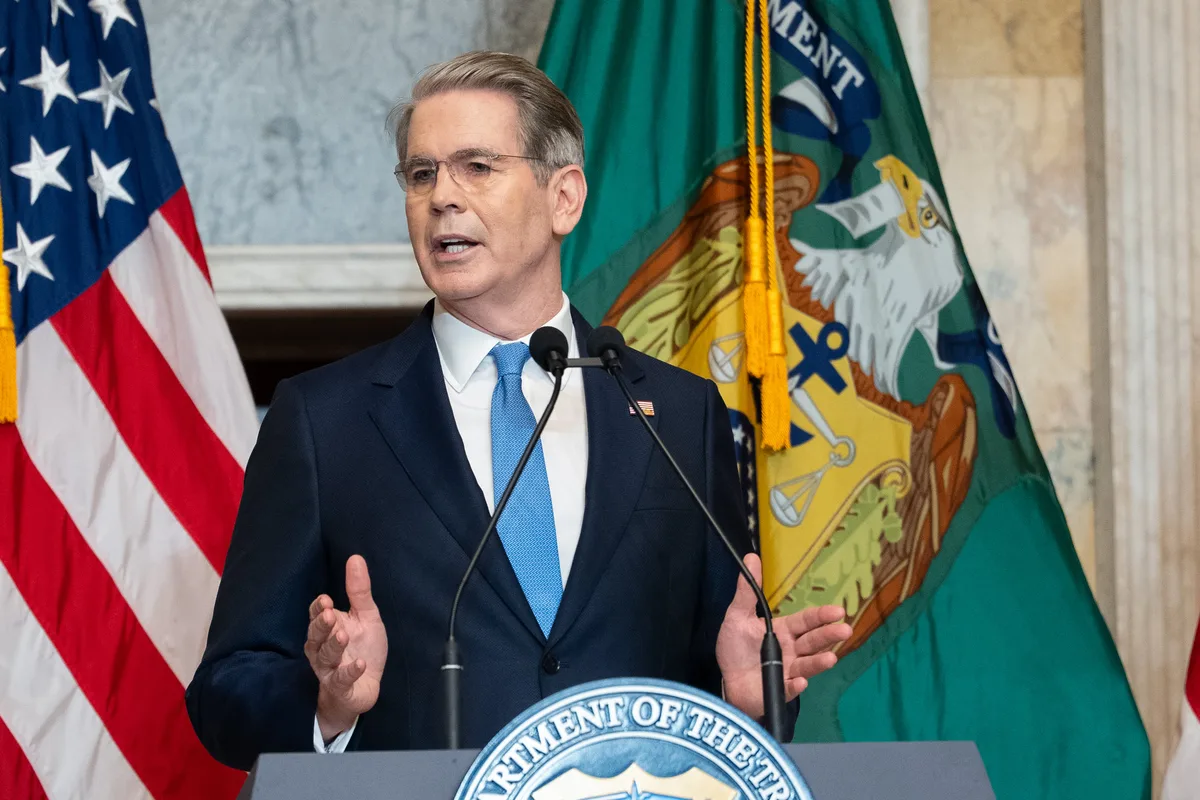
Treasury Secretary Scott Bessent has accelerated a program to repurchase long-term government debt, a maneuver designed to relieve upward pressure on yields that have rattled financial markets. The move delivered a near-term reprieve for bonds, pulling rates back from levels that had begun to alarm investors and policymakers alike. By actively managing the supply of long-duration Treasuries in circulation, Bessent is deploying a lever that has historically been used sparingly, signaling how seriously the administration views the current yield environment.
The strategy carries consequences that extend well beyond bond markets. Economists cautioned that aggressively reducing the stock of long-term debt outstanding can have inflationary undertones — effectively easing financial conditions at a moment when the Federal Reserve is still working to convince markets that its inflation-fighting credibility remains intact. That tension places fresh strain on Kevin Warsh, widely viewed as a top contender to lead the Fed, who would inherit a central bank navigating politically charged pressure from the executive branch.
Read more Treasury Debt Buyback Expansion Pulls Yields Back From Highs →
The deeper concern among monetary policy watchers is institutional: when the Treasury actively shapes the yield curve through buybacks, the line between fiscal policy and monetary policy begins to blur. The Fed sets short-term rates, but long-term yields are the true price of money for mortgages, corporate borrowing, and government debt service. If Treasury can meaningfully move those rates through supply management, the central bank's autonomy over financial conditions becomes a more contested concept.
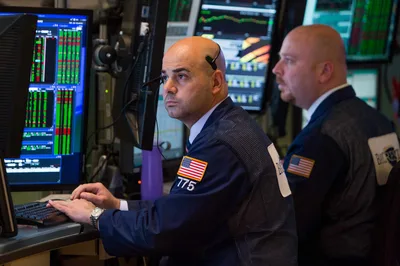
For the bond market, the immediate signal is that the administration is not prepared to tolerate a sustained selloff — a posture that may calm investors in the short run but also raises questions about moral hazard. Traders accustomed to a Treasury willing to step in could take on more duration risk, confident that policy will backstop extreme moves. Longer term, analysts warn, that dynamic could make yields more volatile, not less, if the market comes to expect intervention and then is surprised by its absence.
The episode underscores a broader theme of this economic moment: the traditional boundaries separating Treasury, the White House, and the Federal Reserve are under pressure from multiple directions simultaneously. Continue reading at US Top News and Analysis.