Berkshire Ends 14-Quarter Sell Streak With $23.5B Stock Spree
Warren Buffett's Berkshire Hathaway reversed course after more than three years of net selling, deploying $23.5B in equities — including a $10B private deal.
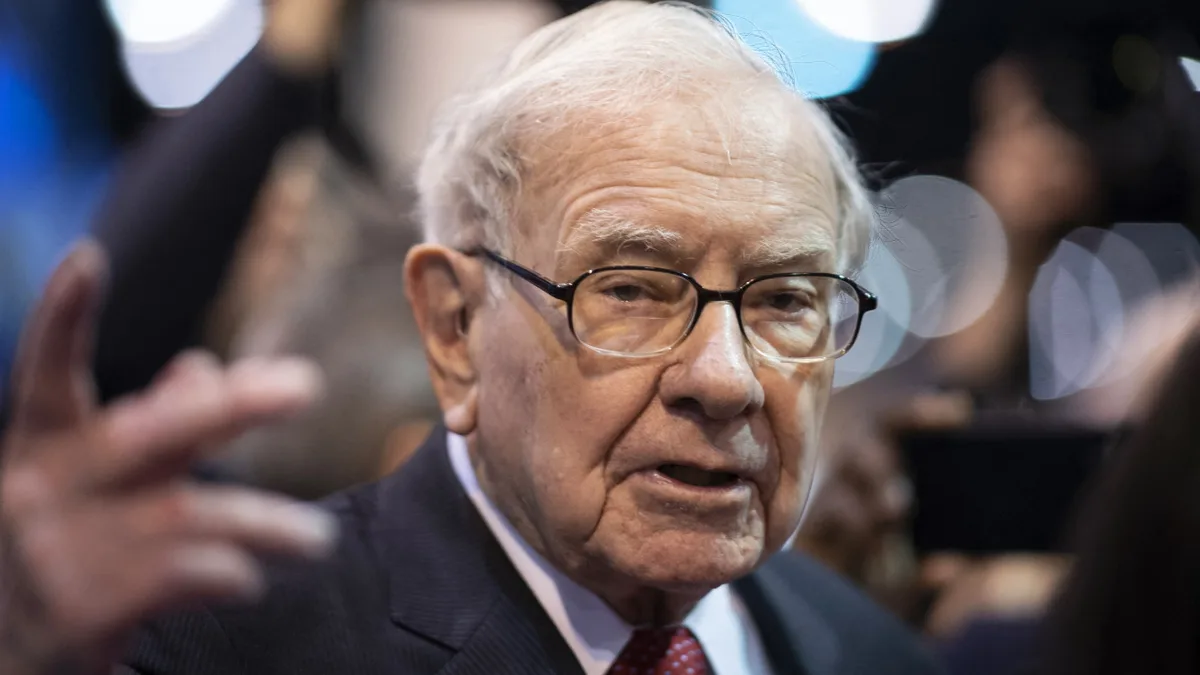
Warren Buffett's Berkshire Hathaway has ended a remarkable stretch of capital restraint, breaking a 14-quarter streak of net stock selling with a single-quarter buying surge totaling $23.5 billion. The move signals a meaningful shift in posture from one of the world's most closely watched capital allocators, who had spent the better part of three and a half years trimming positions and allowing Berkshire's cash pile to balloon to historic levels.
The headline figure alone would be notable, but the composition of the purchases adds intrigue. Roughly $10 billion of that total was directed to a single company — acquired at a privately negotiated price rather than through open-market transactions. That distinction matters: private pricing often implies a negotiated discount or bespoke terms unavailable to ordinary investors, and it suggests Berkshire secured preferential access that underscores its unique position as a long-term, large-scale capital partner.
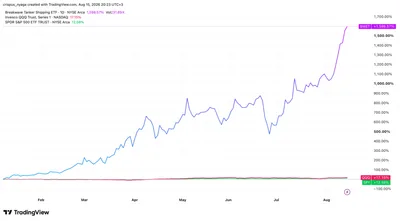
Read more BWET ETF Surges 1,600% in 2026 Amid US-Iran Conflict →
The timing invites analysis. Buffett has long preached patience, waiting for valuations to become compelling before committing serious capital. A return to large-scale buying after 14 quarters of net selling could indicate that Berkshire's leadership sees current market conditions — whether driven by valuation, sector dynamics, or macroeconomic factors — as offering sufficiently attractive entry points. It may also reflect a deliberate effort to put Berkshire's enormous cash reserves to productive use before they become a drag on returns.
For market observers, Berkshire's buying behavior functions as a sentiment signal. When the company sells persistently, it often reads as a warning about stretched valuations or limited opportunity. When it deploys capital at this scale — particularly in a privately structured transaction — it can be interpreted as a vote of confidence in specific assets or business models. The $10 billion private placement, in particular, will draw scrutiny until the counterparty is fully disclosed, as Berkshire's endorsement alone tends to move markets and reputations.
Continue reading at Yahoo Finance.