American Couple Traded New York for a $13,000 Italian Home
A New York couple relocated to Europe, ultimately purchasing a house in Abruzzo, Italy for just $13,000 after a stint in the Czech Republic.
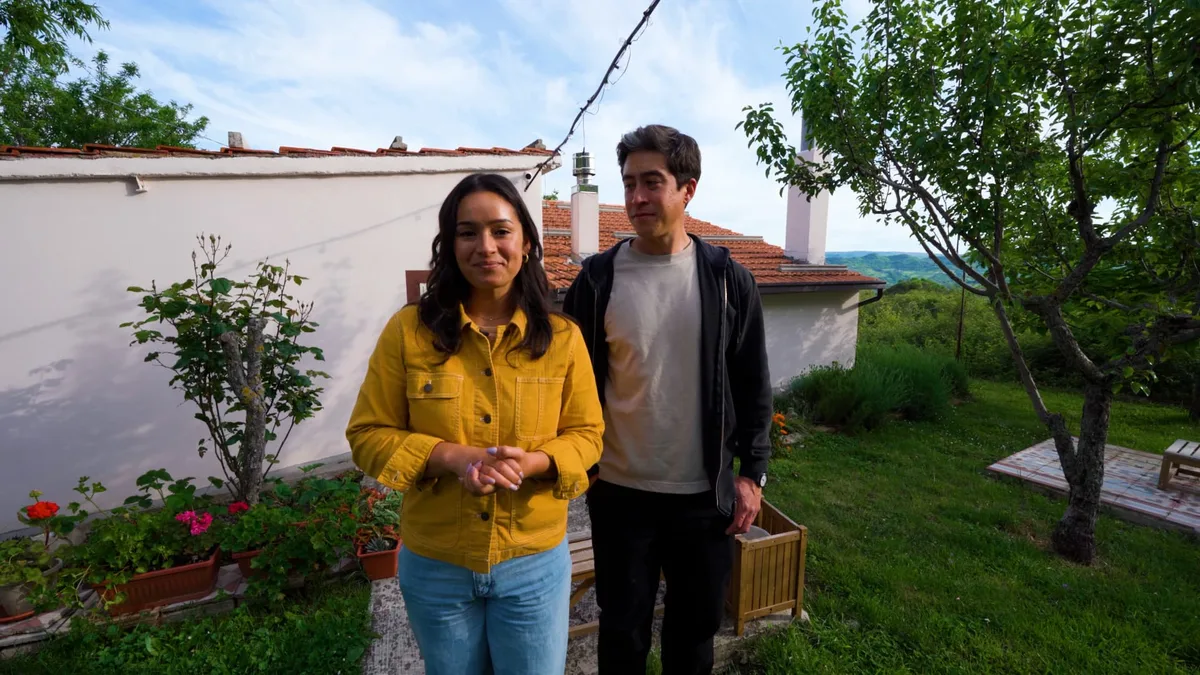
For Cassandra Tresl and Alex Ninman, the calculus of New York City living eventually stopped adding up. The couple made a decisive break from one of the world's most expensive urban environments, embarking on a transatlantic relocation that would redefine their relationship with money, community, and daily life itself.
Their transition was staged rather than sudden. In 2020, the pair moved in with Tresl's grandfather in the Czech Republic, a practical first step that allowed them to decompress from the financial and psychological pressures of New York while maintaining a foothold in familiar family life. That interlude appears to have deepened their conviction that a lower-cost, slower-paced European existence was not merely a fantasy but an achievable reality.
Read more Social Security COLA Set at 3.6% for 2027, Lifting Checks by $75 →
By 2022, the couple had closed on a property in Abruzzo, a rugged and relatively undiscovered region of central Italy, for just $13,000 — a price point that would not cover a single month's rent in many New York City neighborhoods. Italy's so-called cheap-home programs, which have drawn international attention in recent years, have helped funnel foreign buyers toward depopulated rural towns eager to reverse demographic decline, and Abruzzo has emerged as one of the more attractive destinations for those willing to invest sweat equity alongside modest capital.
Their story reflects a broader post-pandemic reassessment among Americans who discovered, during lockdowns, that geography no longer dictated career survival in the same way it once had. Remote work unlocked optionality, and for a subset of urban professionals, that optionality translated into a genuine willingness to experiment with life abroad. Tresl and Ninman represent the more committed end of that spectrum — people who describe their move not as an extended vacation but as finding, in their own words, "a different way of life."
Whether this model scales meaningfully for American households remains an open question, but the couple's experience underscores how dramatically the cost-of-living arbitrage between U.S. cities and rural Europe can reshape financial and personal possibilities. Continue reading at US Top News and Analysis.