AMD and Nvidia's Rivalry Expands Beyond GPUs Into Server CPUs
The two chip giants are intensifying competition in server CPUs, a lucrative market that goes well beyond their familiar GPU battleground.
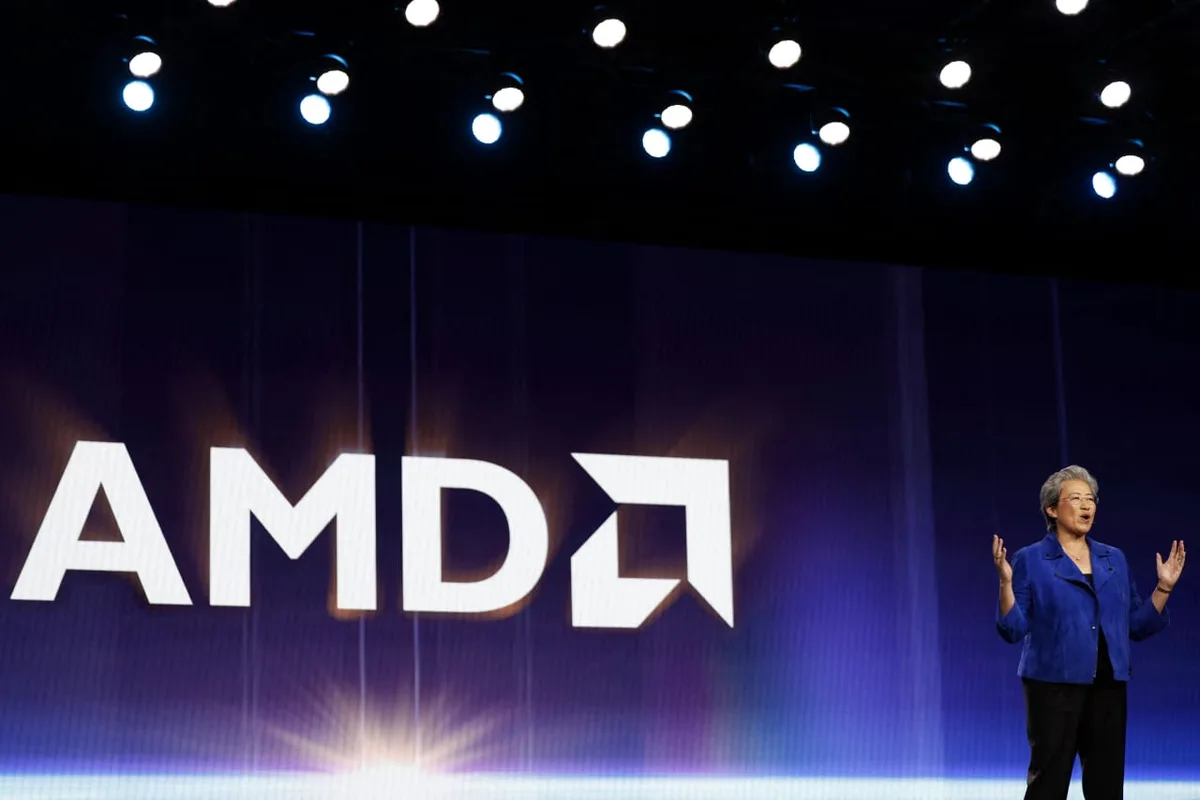
For years, the AMD-Nvidia rivalry has been defined by graphics processing units — the chips that power everything from gaming rigs to artificial intelligence workloads. But that competition is quietly shifting terrain, with both companies increasingly vying for dominance in the server CPU market, a segment that carries enormous strategic and financial weight in the modern data center economy.
Server CPUs sit at the heart of enterprise computing infrastructure, handling the core logic and coordination that keeps cloud platforms, corporate networks, and AI pipelines running. Historically, Intel has owned this space with near-monopolistic grip, but AMD's EPYC processor line has spent the better part of a decade chipping away at that dominance. The new wrinkle is Nvidia's growing ambition to compete in this arena as well, extending a rivalry with AMD that was once largely confined to the discrete graphics card market.
Read more Adobe Stock Jumps 5.6% But Trades Far Below Estimated Fair Value →
The strategic logic for both companies is straightforward: GPU sales, while explosive in the AI era, are subject to cyclical demand and intense pricing pressure. Server CPUs, by contrast, represent a steadier, high-margin revenue stream embedded deeply in long-term enterprise contracts. Winning CPU sockets in a major hyperscaler's data center can lock in relationships and cross-selling opportunities for years.
What makes this moment particularly significant is the architectural convergence happening across the semiconductor industry. The line between CPU and GPU workloads is blurring as AI inference and training tasks demand tighter integration between processors. Both AMD and Nvidia are positioning themselves not just as chip vendors but as full-stack data center platform providers — a framing that puts CPU capability at the center of any serious enterprise pitch.
The outcome of this expanded rivalry will have ripple effects across the cloud computing landscape, influencing which companies supply the backbone of AI infrastructure for the next decade. Continue reading at MarketWatch.com