AI Infrastructure Trade Loses Momentum Amid Reality Check
The once-dominant AI infrastructure trade is showing signs of fatigue as investors reassess lofty expectations for near-term returns.
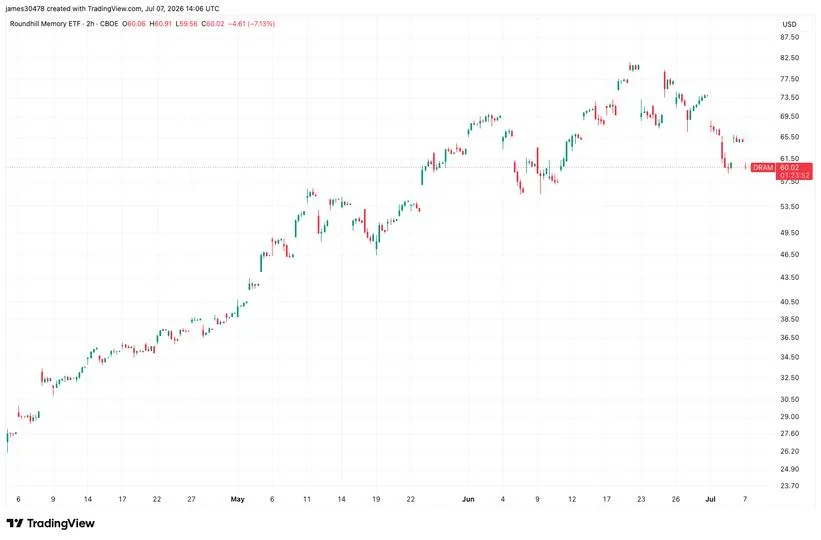
The AI trade that captivated markets and sent infrastructure-related stocks soaring is facing a sobering reassessment. Investors who poured capital into data centers, chipmakers, and power grid suppliers on the premise of an unstoppable buildout are now confronting the gap between long-term promise and short-term earnings reality.
The core tension is familiar to anyone who has watched transformative technology cycles play out. Early enthusiasm tends to price in a future that arrives more slowly and unevenly than anticipated. The AI infrastructure boom followed that script almost precisely, drawing in capital at a pace that left valuations stretched and vulnerable to any softening in forward guidance or capacity utilization data.
Read more Adobe Stock Jumps 5.6% But Trades Far Below Estimated Fair Value →
What makes this particular correction analytically interesting is that it does not necessarily signal a collapse in the underlying thesis. The demand for computing power, energy, and networking capacity tied to artificial intelligence remains structurally intact. The question the market is now asking is not whether the buildout happens, but when it translates into the kind of cash flows that justify current multiples.
For investors, the recalibration carries a practical message: secular growth stories require secular patience. The companies building the physical backbone of the AI economy may still deliver outsized returns over a multi-year horizon, but the easy momentum trade — buying the infrastructure wave and riding sentiment — appears to have run its course for now. Selectivity and time horizon are once again the variables that separate disciplined positioning from crowded speculation.
Continue reading at CoinDesk.