Adobe Stock Looks Cheap, But AI Uncertainty Clouds the Value Case
Adobe shares have become polarizing as investors weigh attractive valuations against unresolved questions about the company's AI future.
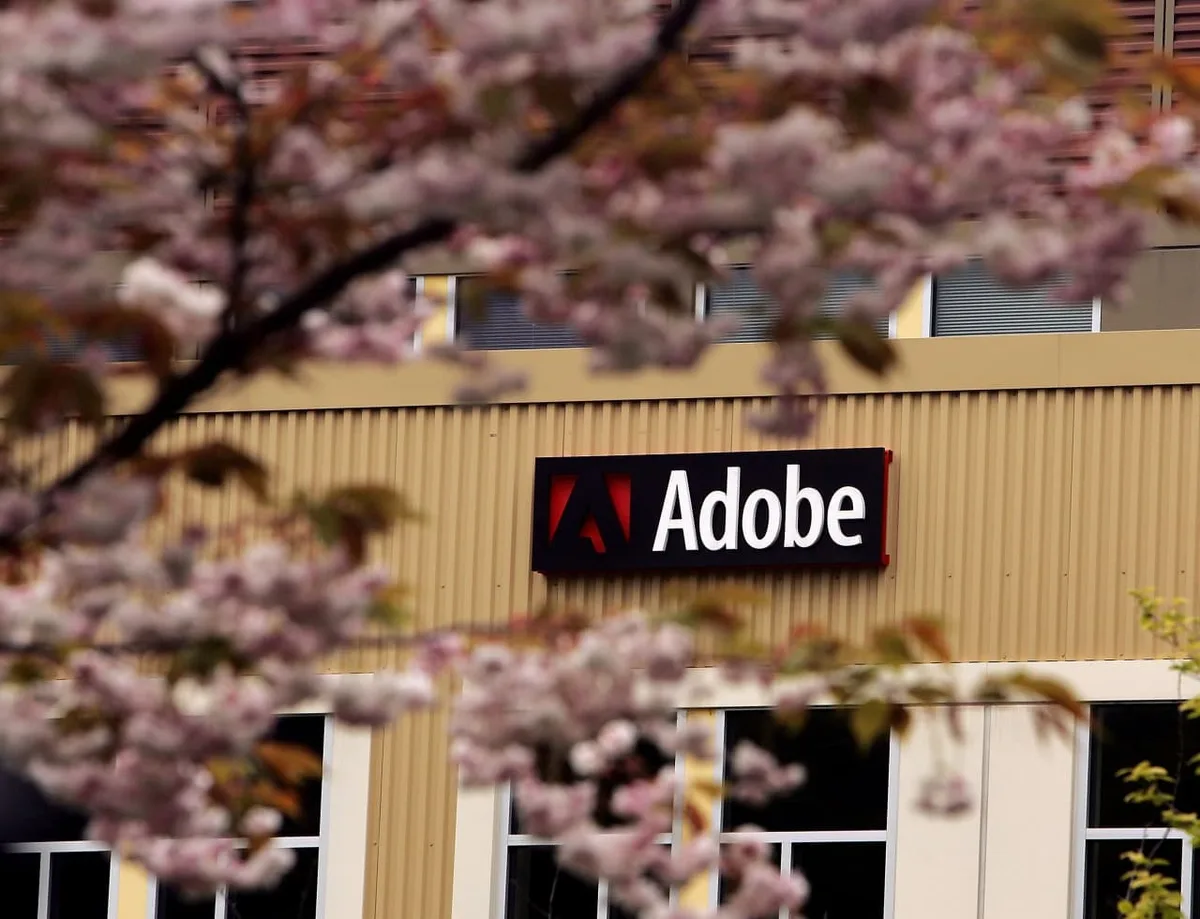
Adobe finds itself in an unusual position for a software giant: its stock appears cheap by historical standards, yet that apparent discount is doing little to quiet a growing debate among investors about whether the company can defend its creative-software dominance in an era defined by artificial intelligence. That tension — between a seemingly compelling valuation and genuine strategic uncertainty — is what makes Adobe one of the more difficult calls in technology right now.
The core anxiety is straightforward. Adobe built its empire on tools like Photoshop, Illustrator, and Premiere Pro, products that commanded premium subscription pricing because there was simply no credible alternative for professional creative work. AI-generated imagery and video are beginning to erode that moat, not because Adobe is ignoring the technology — it has embedded generative AI features across its suite — but because the barriers to entry for competitors have dropped dramatically. Startups and platform giants alike can now offer capable creative tools without decades of engineering investment.
Read more Adobe Stock Jumps 5.6% But Trades Far Below Estimated Fair Value →
The bull case rests on Adobe's scale, its deep integration into enterprise creative workflows, and the argument that AI will ultimately expand the addressable market for its products rather than cannibalize them. There is historical precedent for this view: prior technological disruptions, from desktop publishing to cloud computing, ultimately benefited Adobe rather than displacing it. Whether generative AI follows the same script is the question dividing analysts and portfolio managers today.
What makes the valuation debate particularly thorny is that "cheap" is a relative term in software. A stock can look inexpensive on a price-to-earnings basis while still pricing in optimistic revenue growth assumptions that a more competitive landscape may prevent Adobe from achieving. Investors considering a position must weigh not just where the multiple stands today, but what earnings trajectory is required to justify it over a three-to-five-year horizon.
For now, Adobe remains a company with formidable assets and a legitimate AI strategy, but one operating in a window of genuine uncertainty about how the creative software market will be restructured. That uncertainty, more than any single financial metric, is what the market is trying to price. Continue reading at MarketWatch.com