A Former Retail Giant's Collapse: Over 1,000 Stores Gone
A once-dominant retailer has shuttered more than 1,000 locations, marking a dramatic fall from its peak of American commercial prominence.
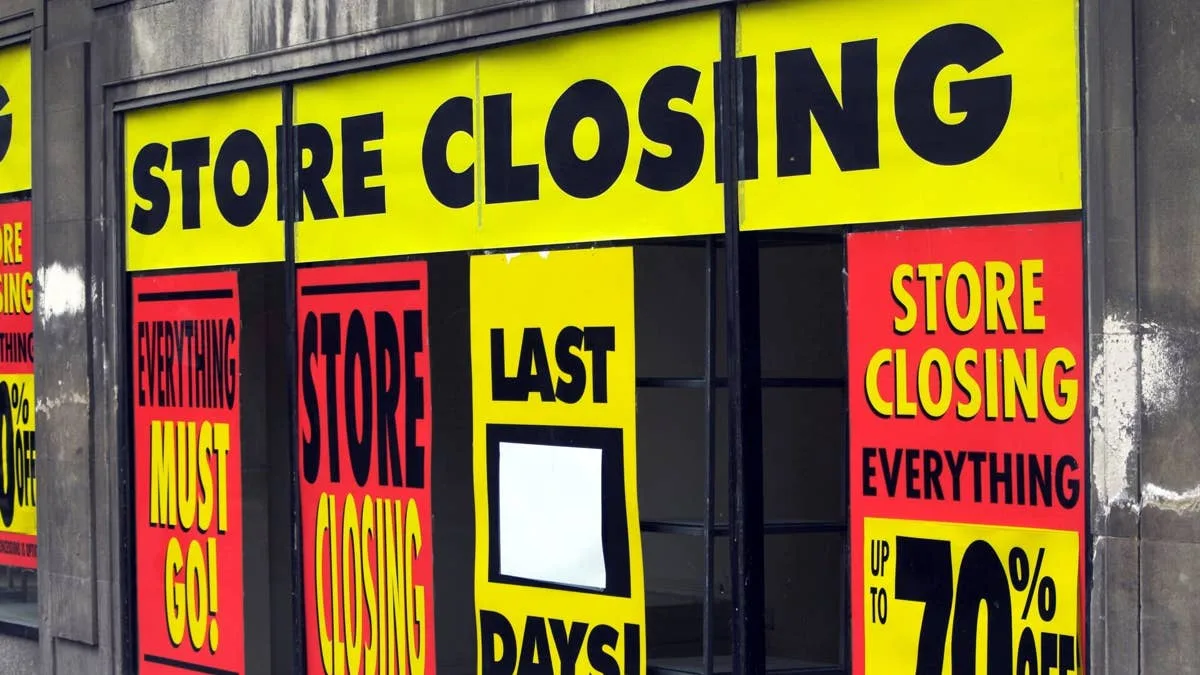
The American retail landscape has absorbed another significant blow as a formerly dominant chain confirmed the closure of more than 1,000 of its locations, underscoring the accelerating contraction of brick-and-mortar commerce that has reshaped consumer habits over the past decade.
While the source material does not specify the retailer by name, closures of this scale are rarely sudden. They typically reflect years of compounding pressures — shifting consumer preferences toward e-commerce, rising commercial lease costs, thinning margins, and an inability to reinvest meaningfully in the in-store experience that once made these chains indispensable to American shoppers.
Read more Caidya and Simbec-Orion Merge to Build Full-Cycle CRO Platform →
The loss of more than 1,000 locations carries consequences well beyond the corporate balance sheet. Each shuttered store represents jobs eliminated, anchor tenants removed from shopping centers, and community retail hubs erased — effects that tend to ripple through local economies in ways that quarterly earnings reports rarely capture fully.
For investors and industry analysts, large-scale retail closures serve as a barometer of structural change rather than mere cyclical weakness. The companies that have survived — and in some cases thrived — amid this environment share common traits: lean inventory models, robust digital platforms, and loyalty ecosystems that keep customers engaged outside the physical store.
The trajectory of this unnamed chain mirrors patterns seen across several high-profile retail collapses in recent years, raising pointed questions about whether scale alone can insulate any brand from the fundamental reorientation of how Americans choose to shop. Continue reading at Yahoo Finance.