7-Eleven Undercuts Costco and Sam's Club on Gas Prices
7-Eleven is offering lower fuel prices than major warehouse clubs, signaling a shift in the competitive gas retail landscape.
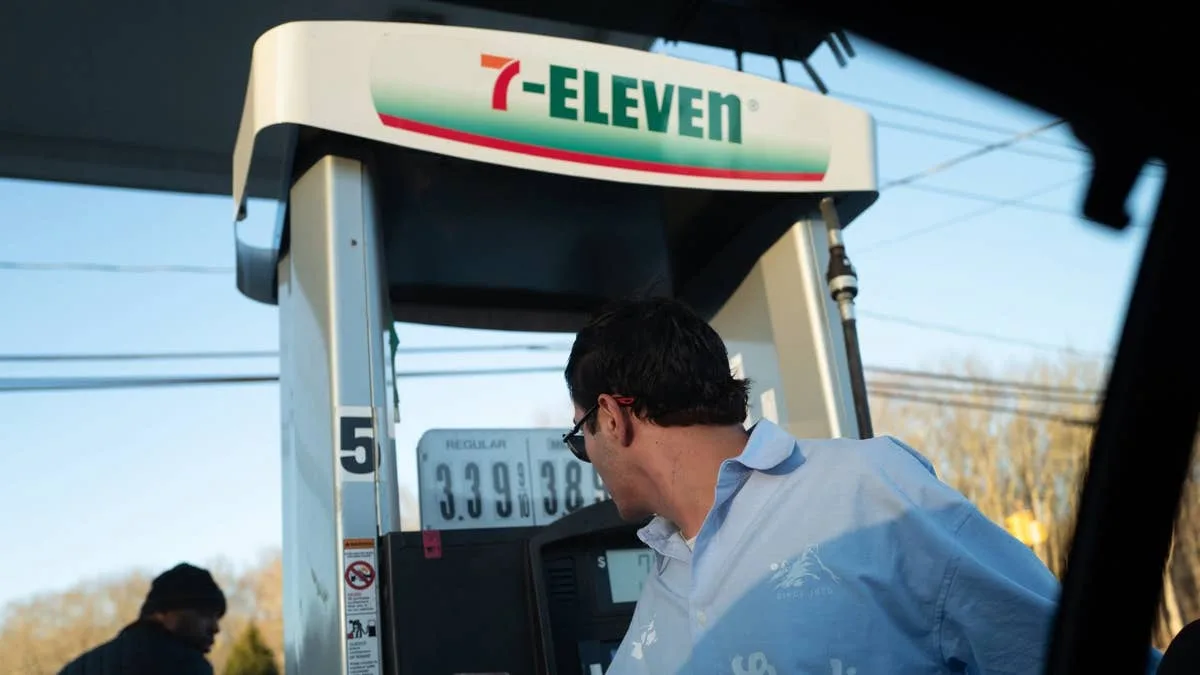
For years, warehouse clubs like Costco, Sam's Club, and Kroger's fuel centers have held a near-mythic reputation among cost-conscious drivers as the default destination for cheap gasoline. That assumption is now being challenged by an unlikely rival: 7-Eleven, the ubiquitous convenience store chain that has long been associated with impulse snacks and late-night slurpees rather than fuel savings.
According to reporting by TheStreet, 7-Eleven is currently offering gasoline at prices that undercut those of Costco, Kroger, and Sam's Club — a development that carries meaningful implications for how consumers think about where to fill up. Warehouse clubs have traditionally leveraged their membership model and high-volume purchasing power to keep fuel margins razor-thin, making them a natural anchor for gas savings. A convenience chain competing on price, rather than convenience alone, represents a notable strategic evolution.
Read more Ultra-High Dividend Stocks Worth Considering for Income Seekers →
7-Eleven operates one of the largest company-owned fuel networks in the United States, a scale that provides real leverage in fuel procurement and pricing. The chain has also invested heavily in its loyalty ecosystem, including its 7Rewards program, which can layer additional per-gallon discounts on top of already-competitive pump prices. This kind of stacked-savings architecture is increasingly how fuel retailers are fighting for share in a market where brand loyalty is otherwise thin.
The broader context matters here: consumers have remained acutely sensitive to fuel prices since the inflation surge of recent years, and any retailer that can credibly claim a price advantage at the pump gains a powerful foot-traffic driver. For 7-Eleven, cheaper gas is not just a margin story — it is a customer acquisition tool designed to pull drivers inside stores where higher-margin products await. Whether this pricing holds over time or reflects a temporary promotional posture is a question worth watching closely.
Continue reading at thestreet